
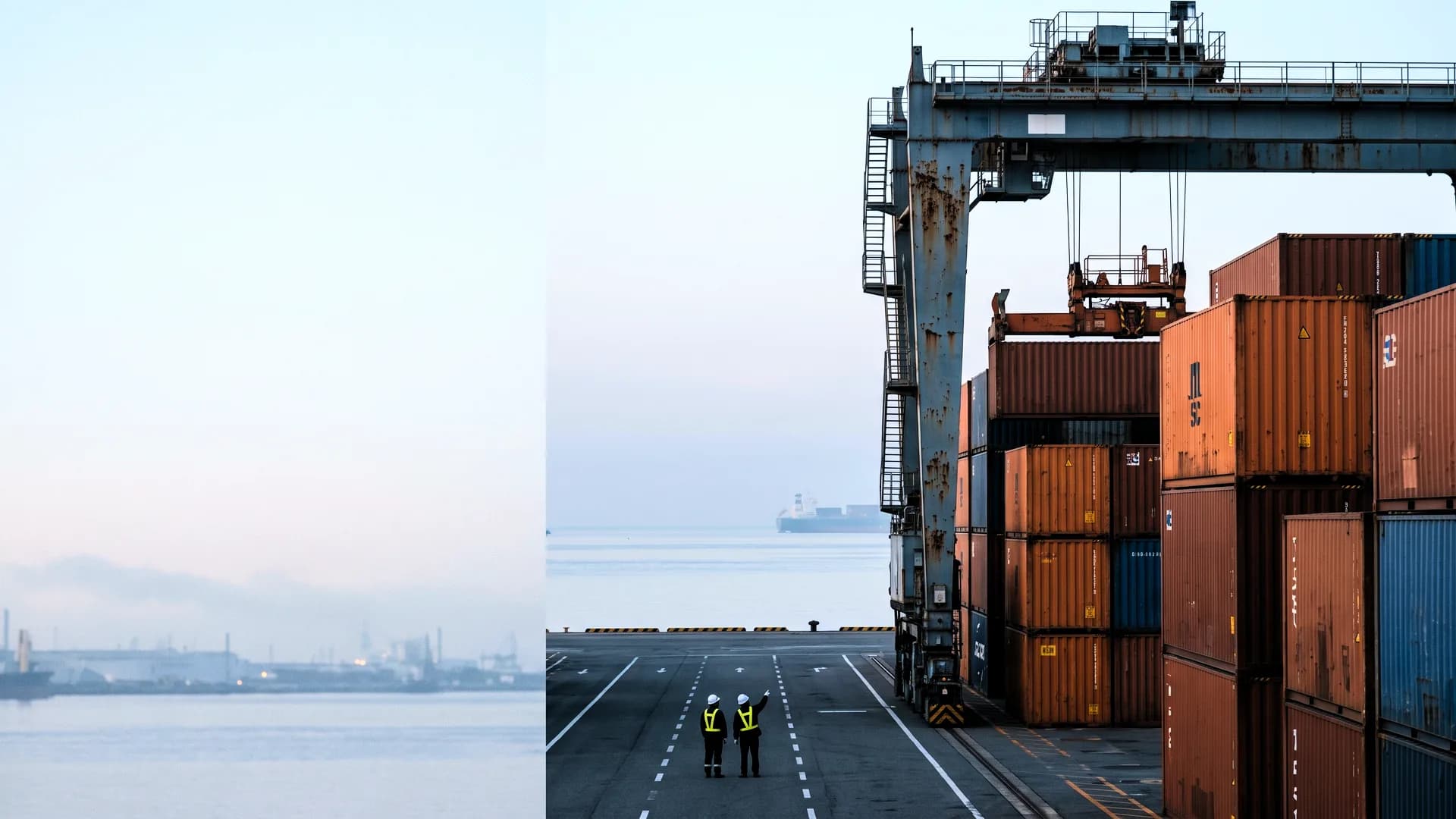
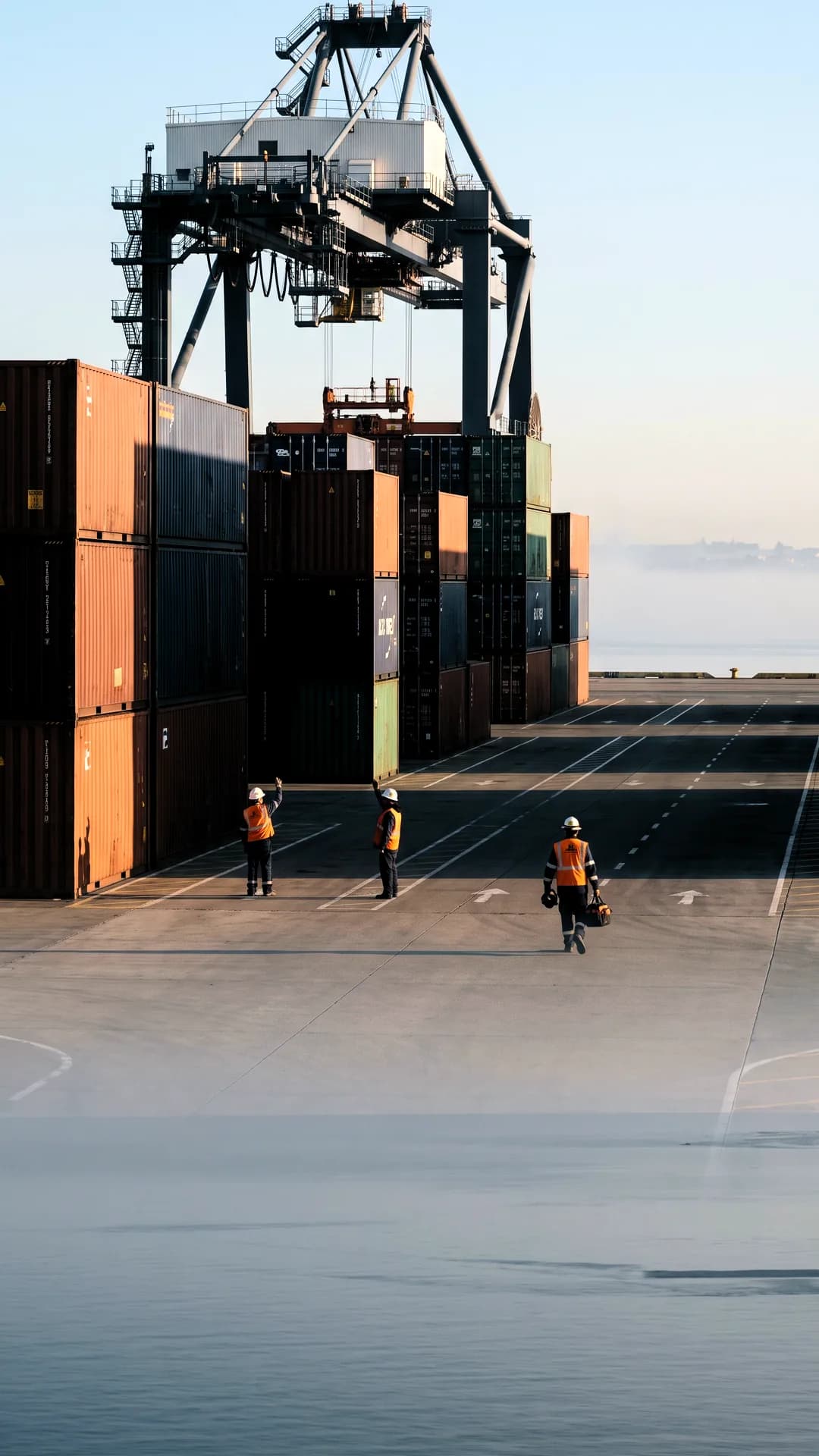
Showing: Energy
Arkania
Industrial Grade Independent AI
Operational intelligence for critical industrial environments.
- Oil & Gas
- Industry
- Defence
- Energy
- Production
- Pharmaceutical
- Security
- Large-Scale Logistics
01 · Positioning
Built for environments where operations cannot stop.
Arkania works where scale, precision and continuity are not negotiable.
02 · Capabilities
Detection in operational environments
Detection is structured across three dimensions, objects, the interactions between them, and the scenarios those interactions form. The third is where operational meaning appears.
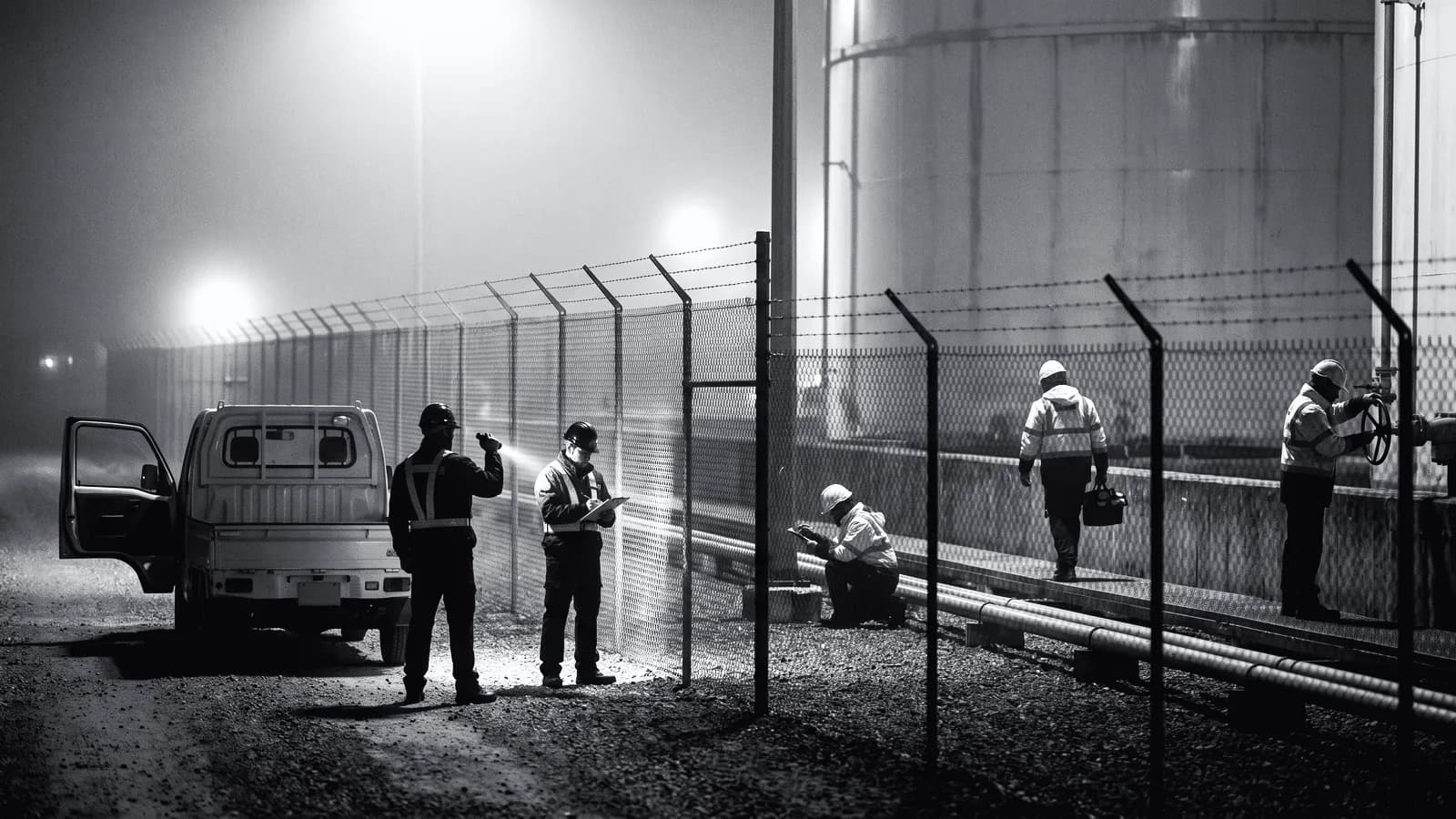
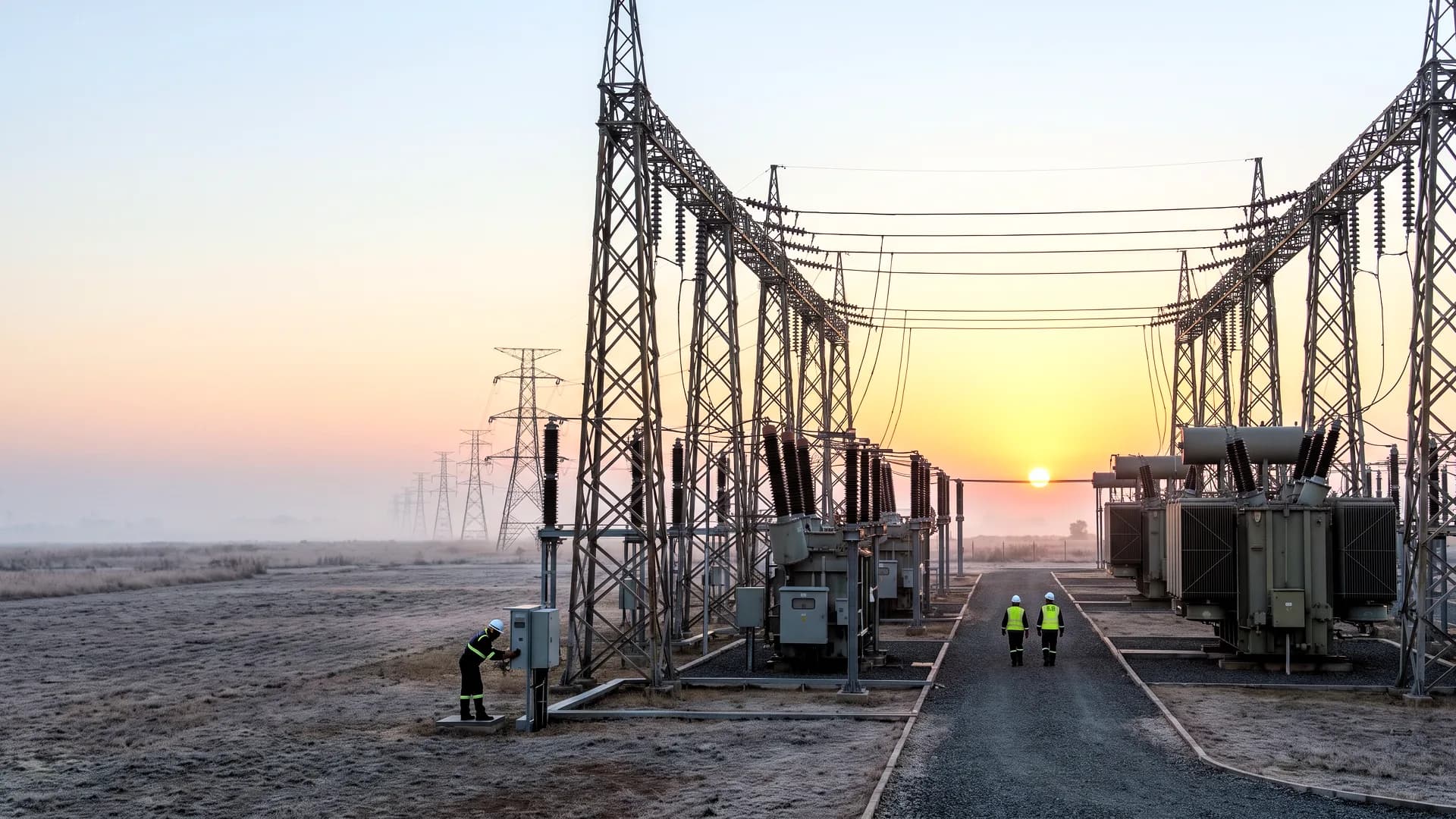
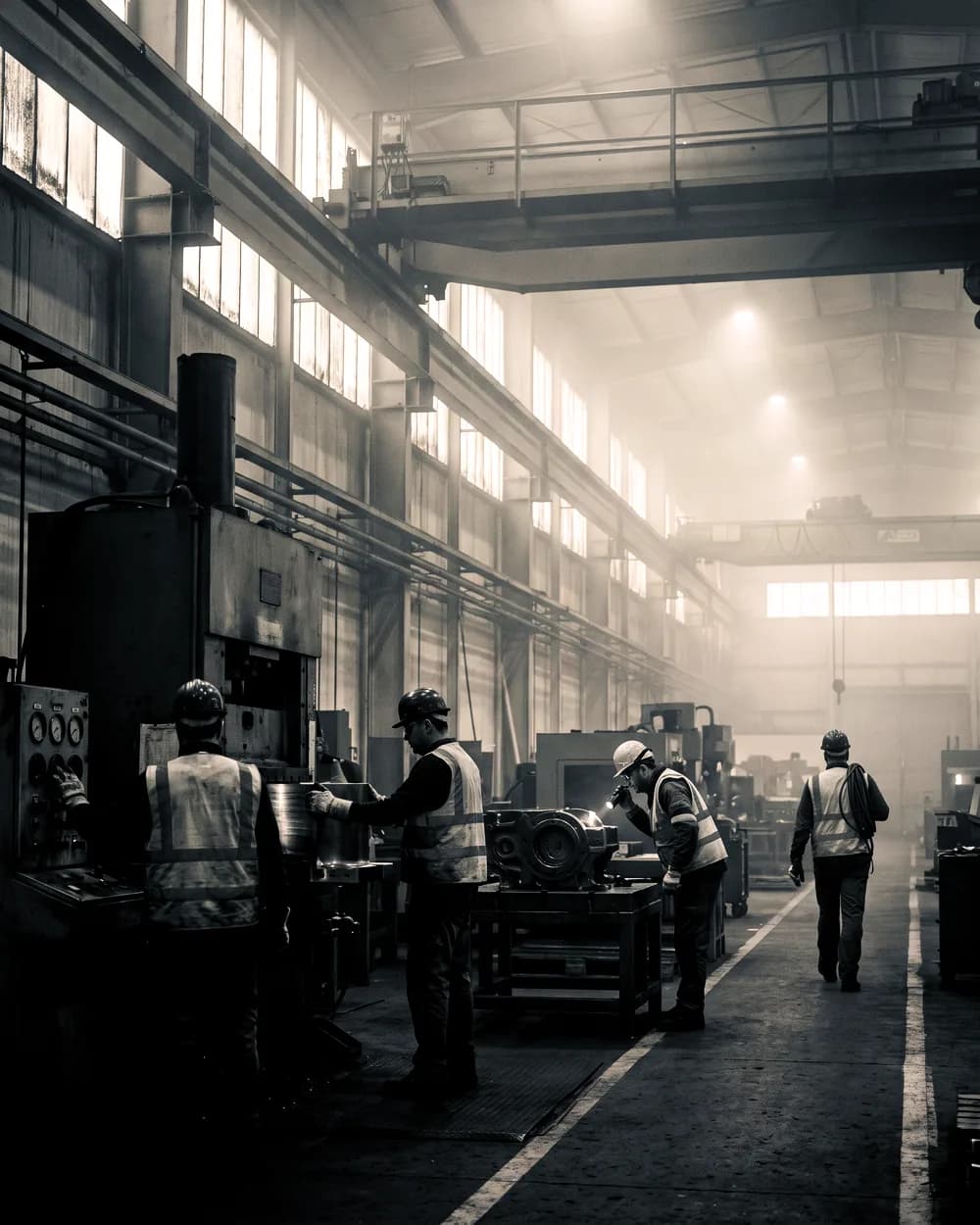
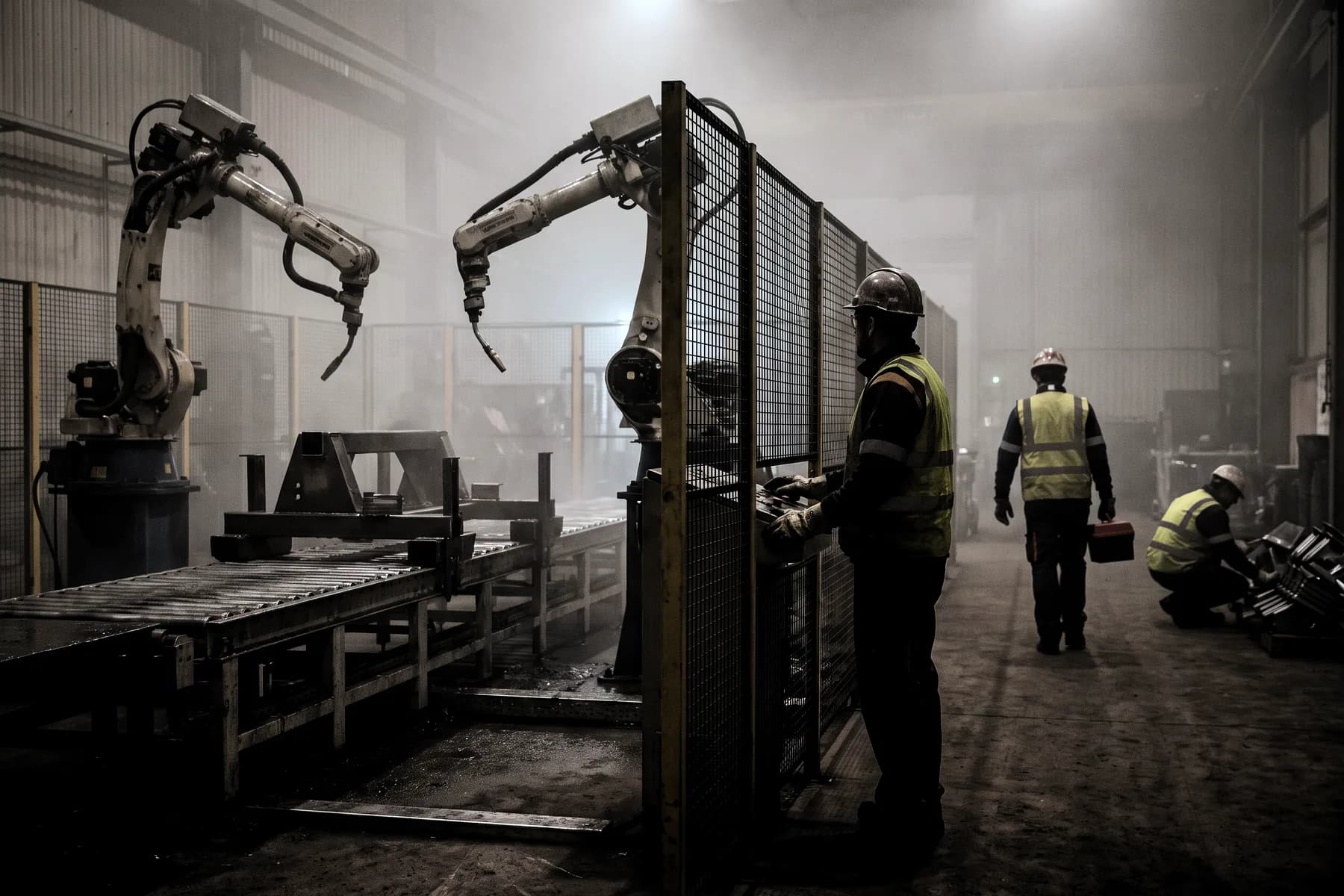
Illustrative analysis of this frame: Person, PPE / Helmet, Tool, PPE / Vest, Vehicle.
Detected regionsRegion, normalised frame coordinates
- 01PersonObjectX 0.27 Y 0.50 A 1.5% ∠ +88°
- 02PPE / HelmetObjectX 0.28 Y 0.49
- 03ToolObjectX 0.32 Y 0.53
01
Perimeter and infrastructure monitoring
Continuous visual reading of perimeters, access points and fixed assets across sites too large for an operator to watch, from the camera estate already installed.
Objects · zones · perimeter integrity
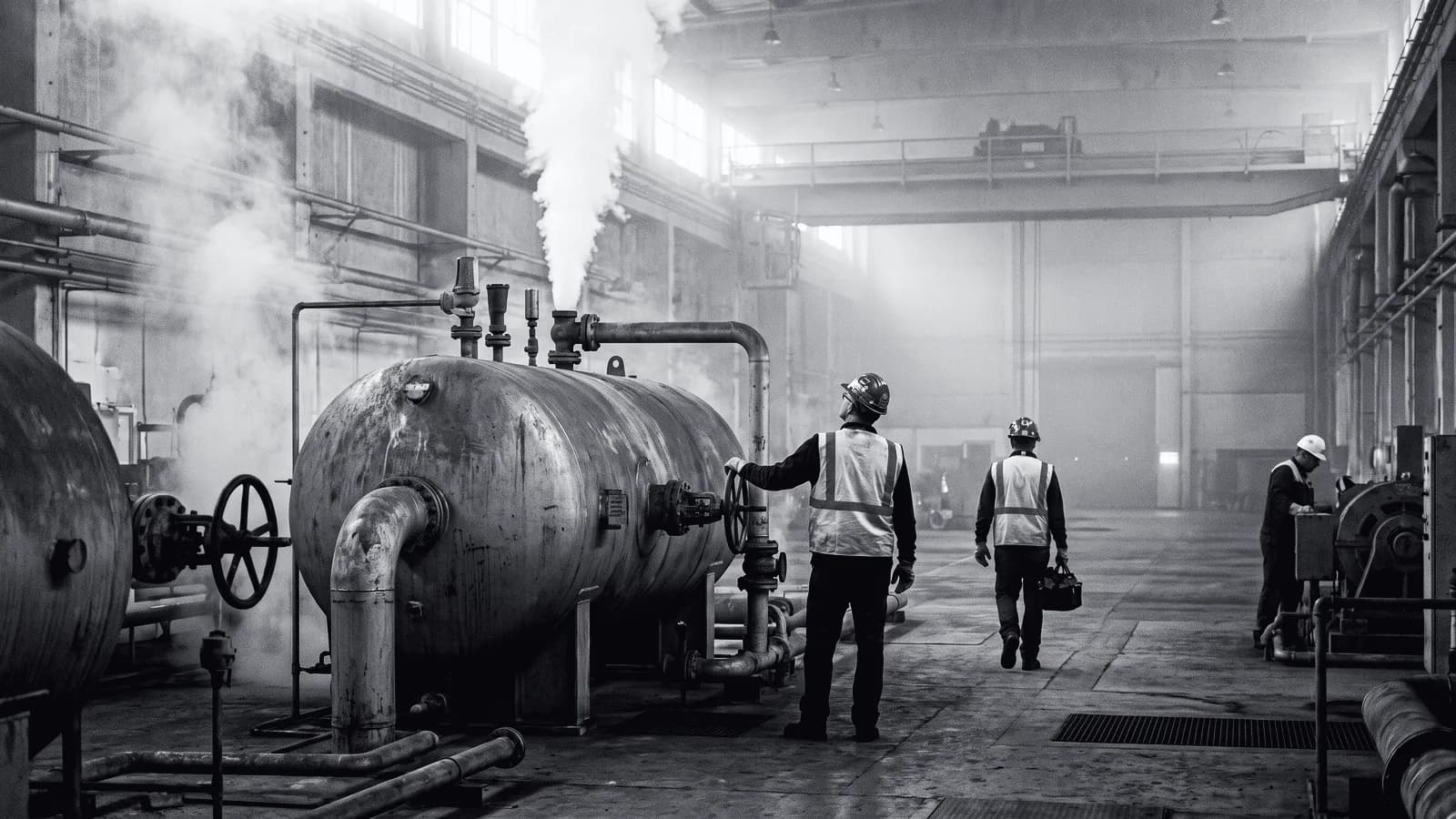
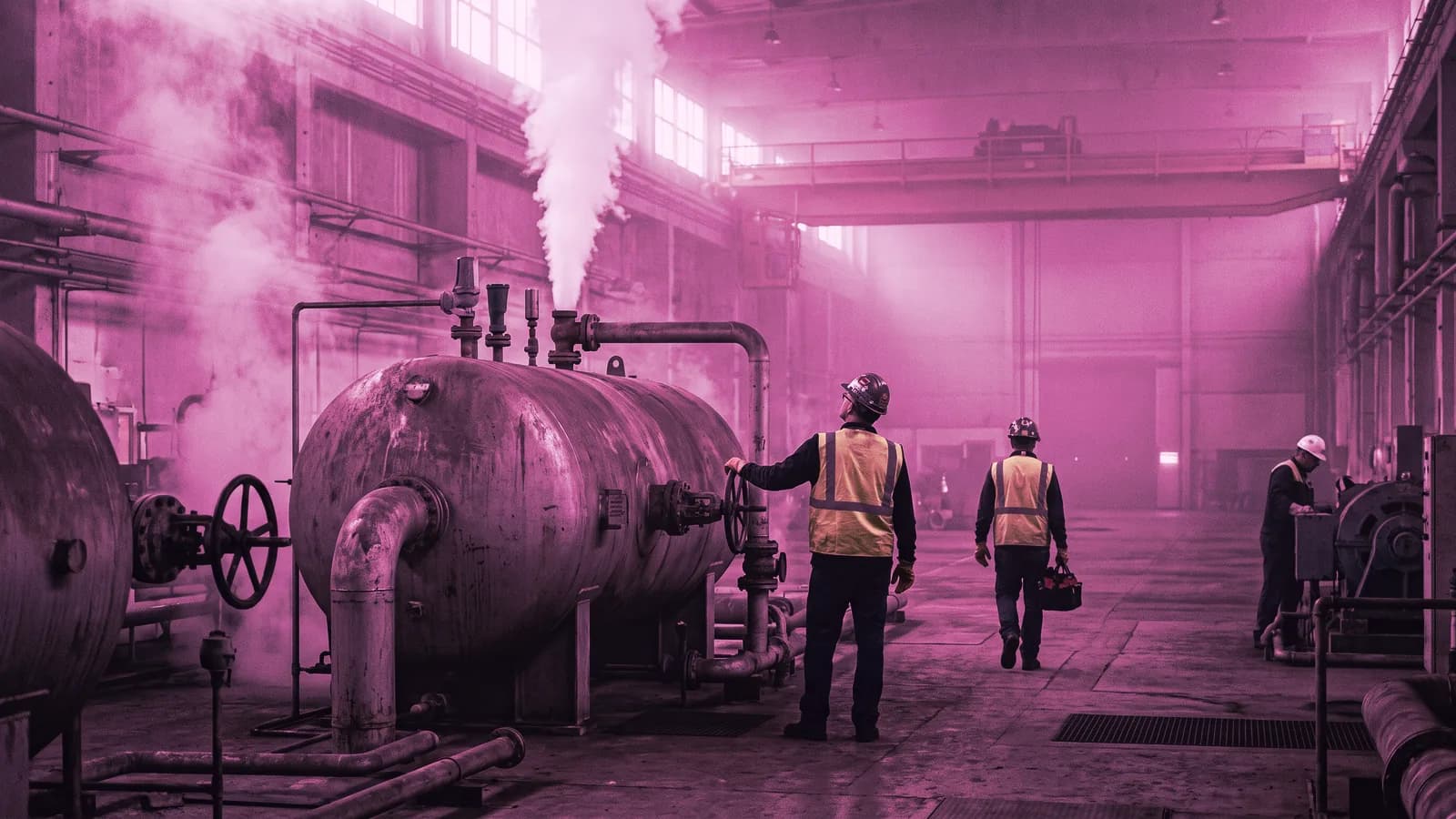
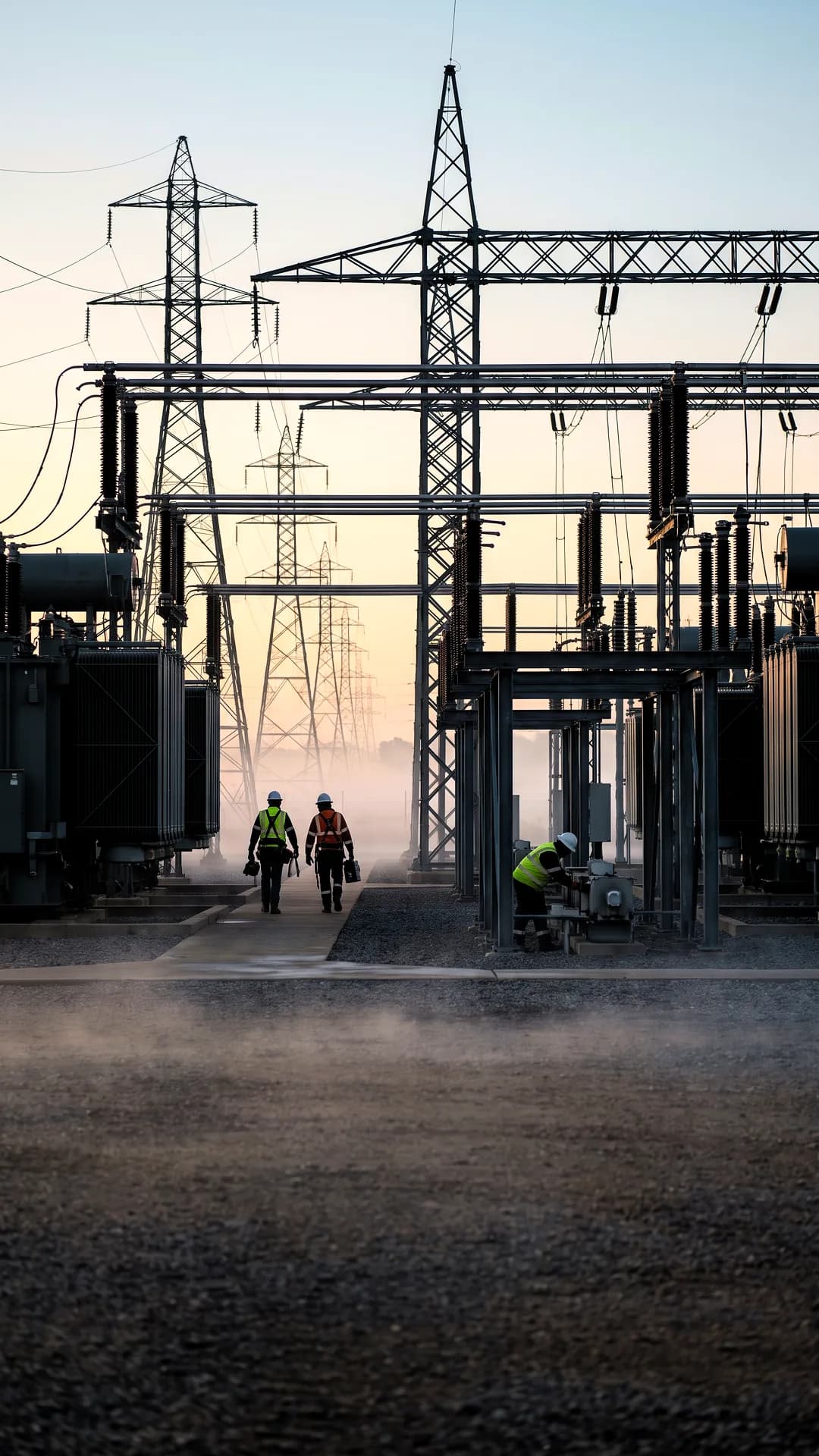
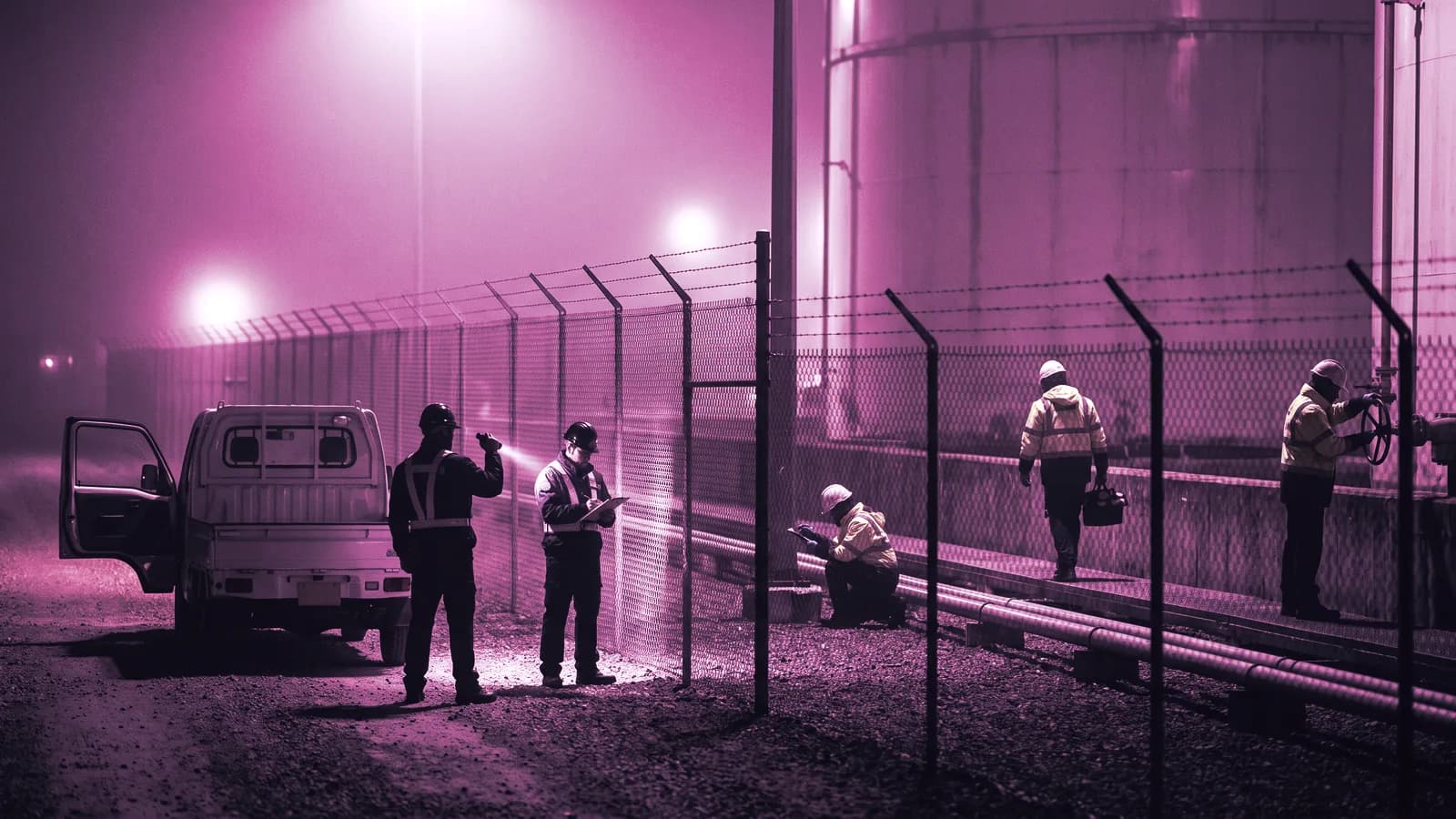
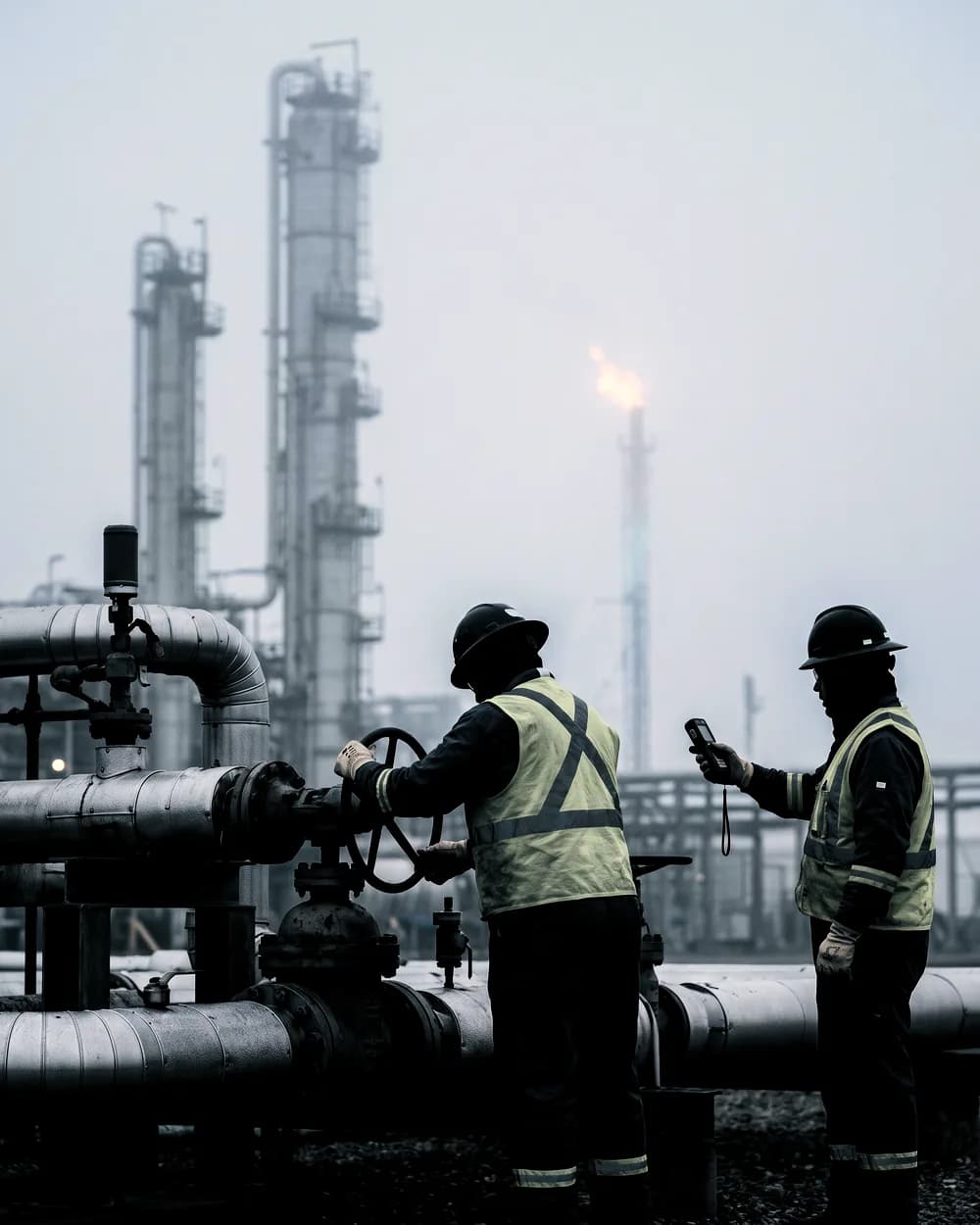
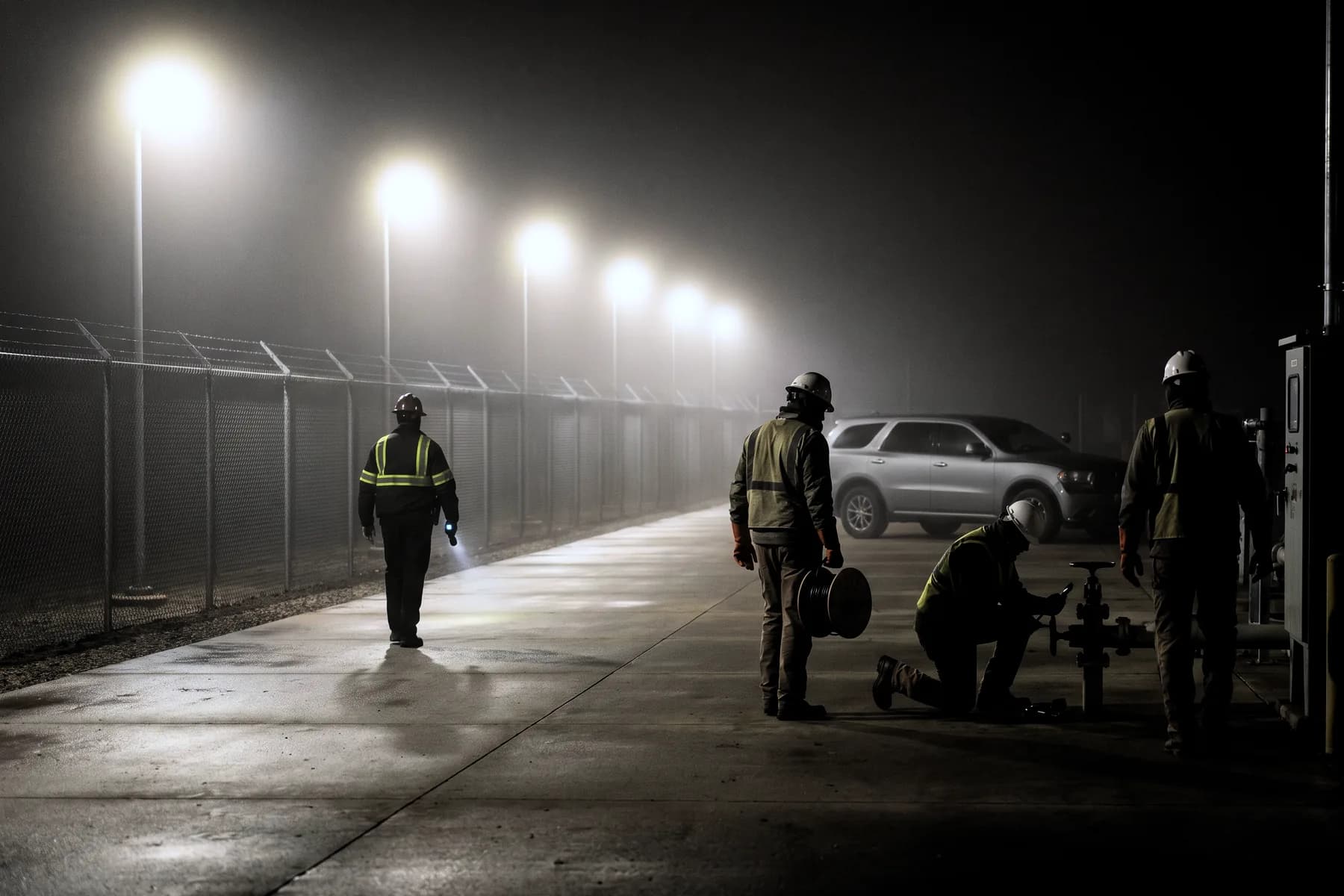
Illustrative analysis of this frame: Person, PPE / Helmet, PPE / Vest, Plume, PPE / Gloves, PPE / Eyewear, Valve.
Detected regionsRegion, normalised frame coordinates
- 01PersonObjectX 0.50 Y 0.46 A 2.7% ∠ −88°
- 02PPE / HelmetObjectX 0.57 Y 0.46
- 03PPE / VestObjectX 0.55 Y 0.52 A 1.3%
02
Anomaly identification
Deviation measured against an area's own established operating condition rather than against a generic rule written for a different site.
Scenarios · deviation from local baseline
Object
How much, not what
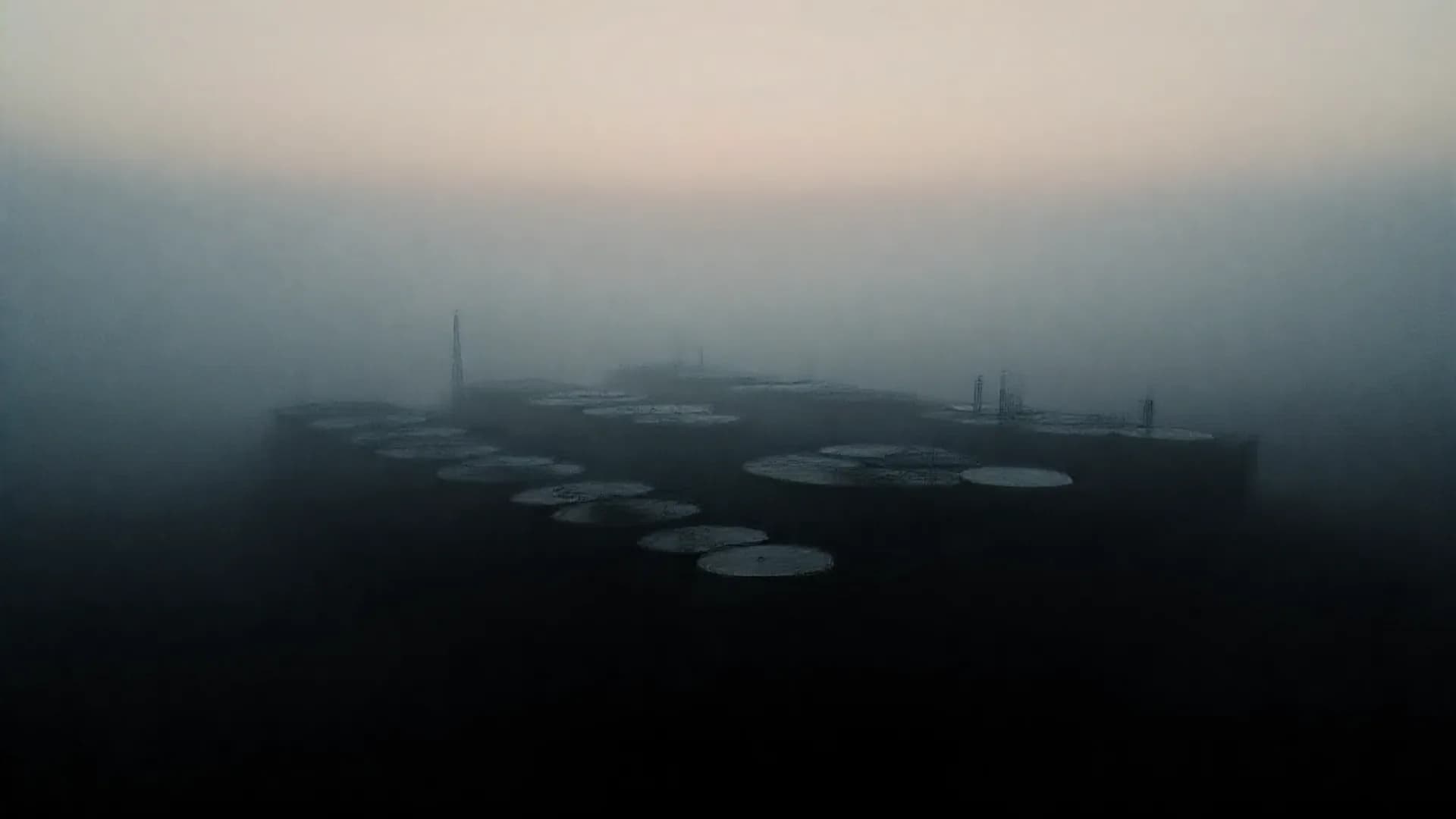
A box around a tank reports that there is a tank, which everyone standing in front of it already knew. The reading worth having is a quantity, and a quantity needs a scale — so the mark is the measurable span on the shell, and the surface line is drawn at the fraction the figure states. One number, read twice.
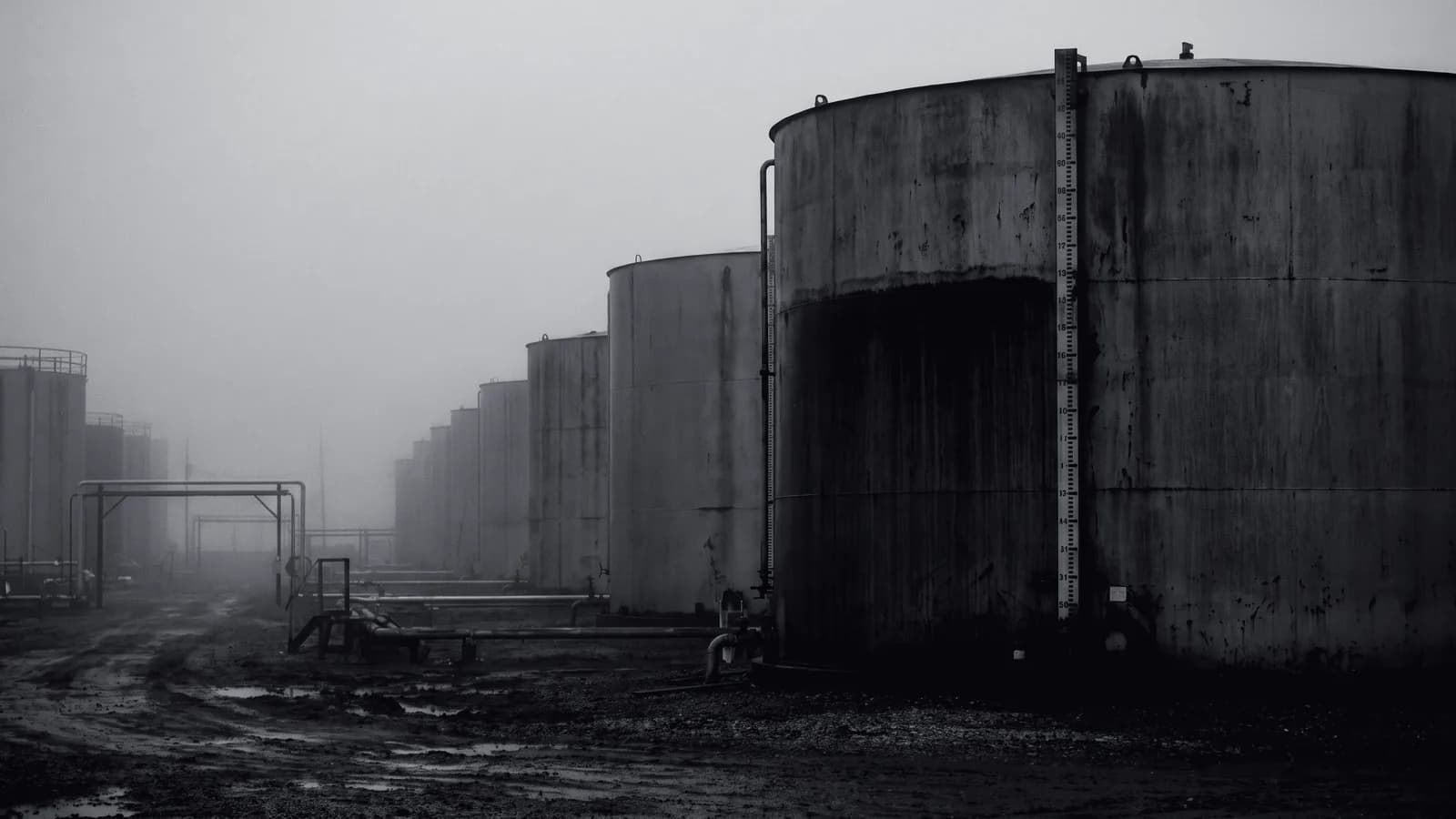
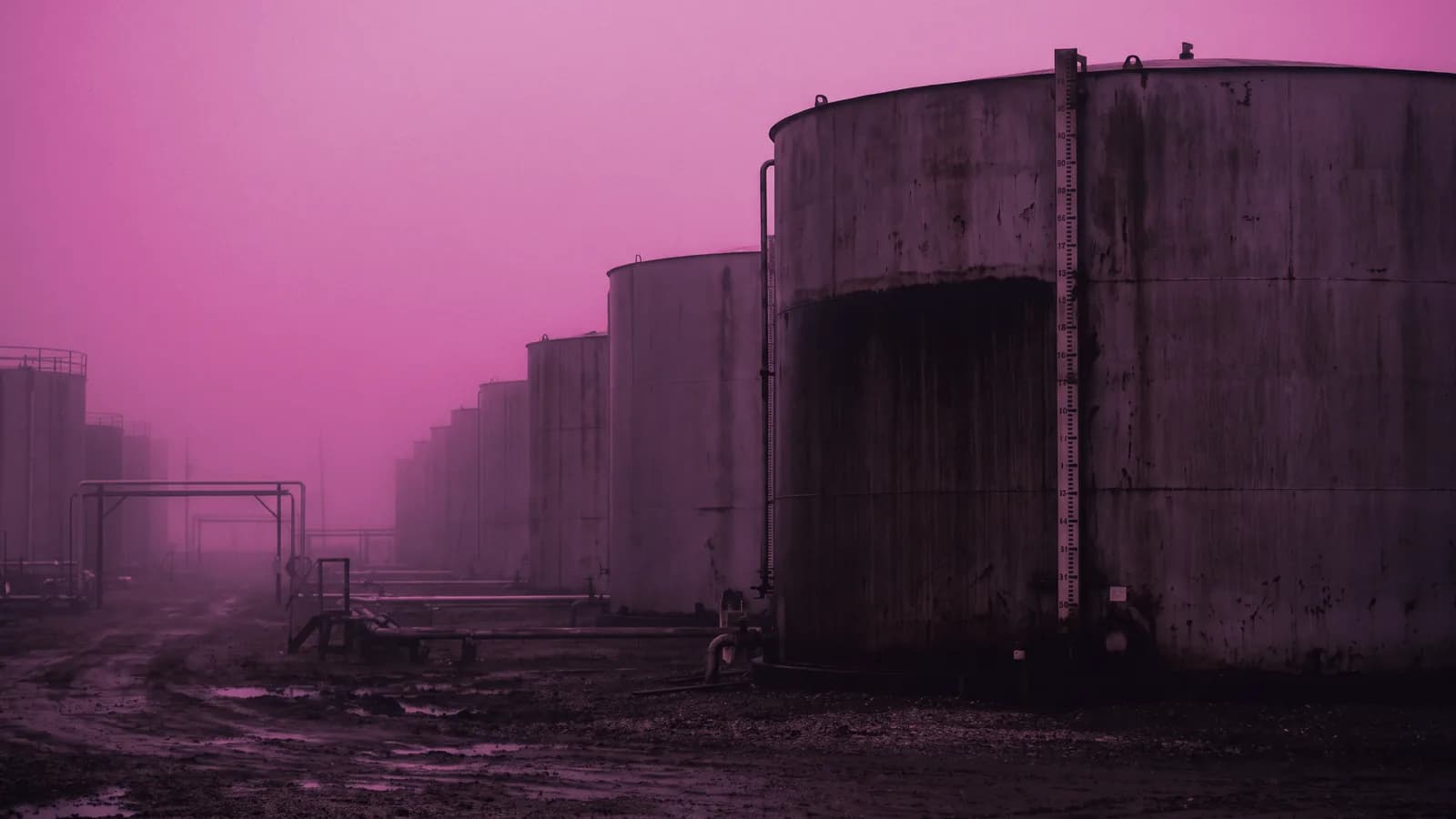
Illustrative analysis of this frame: Tank, Pipework.
Detected regionsRegion, normalised frame coordinates
- 01TankObjectX 0.70 Y 0.10 A 5.3% ∠ +90°
- 02TankObjectX 0.41 Y 0.31 A 4.4% ∠ −90°
- 03PipeworkObjectX 0.04 Y 0.60 A 1.9% ∠ +0°
03 · Industries
Eight operating environments
The same detection core runs across all of them. What changes is which conditions matter and what the environment permits.
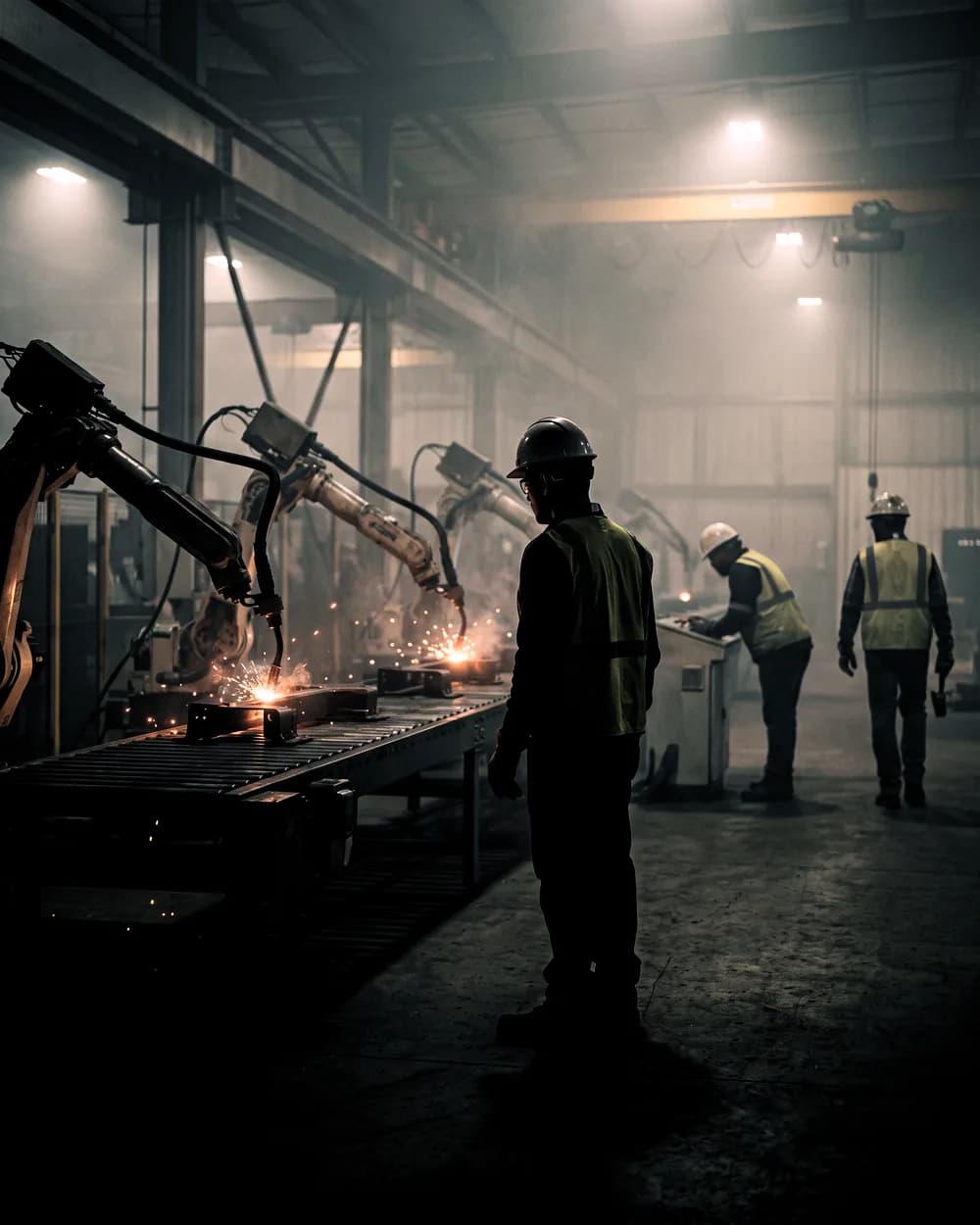
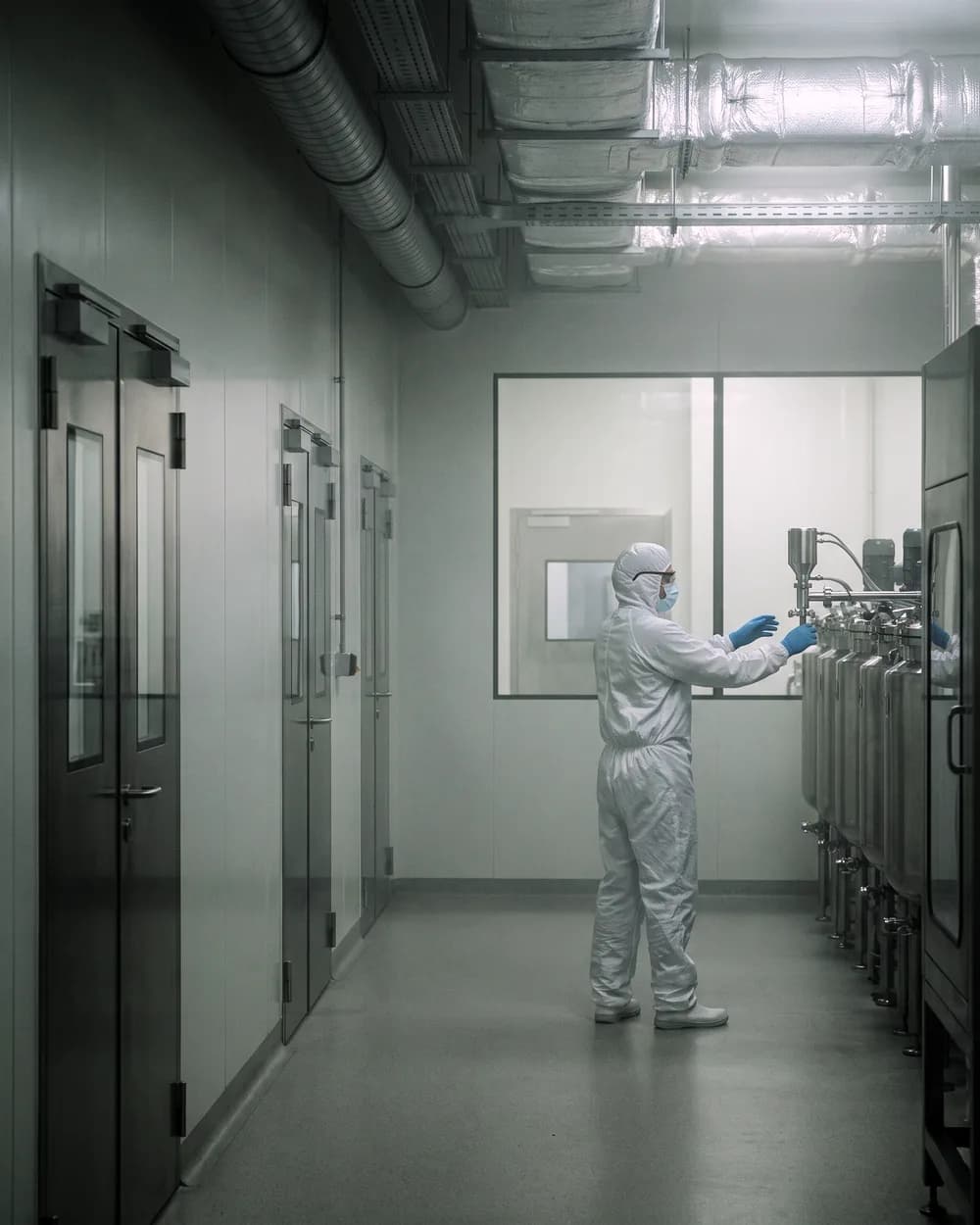
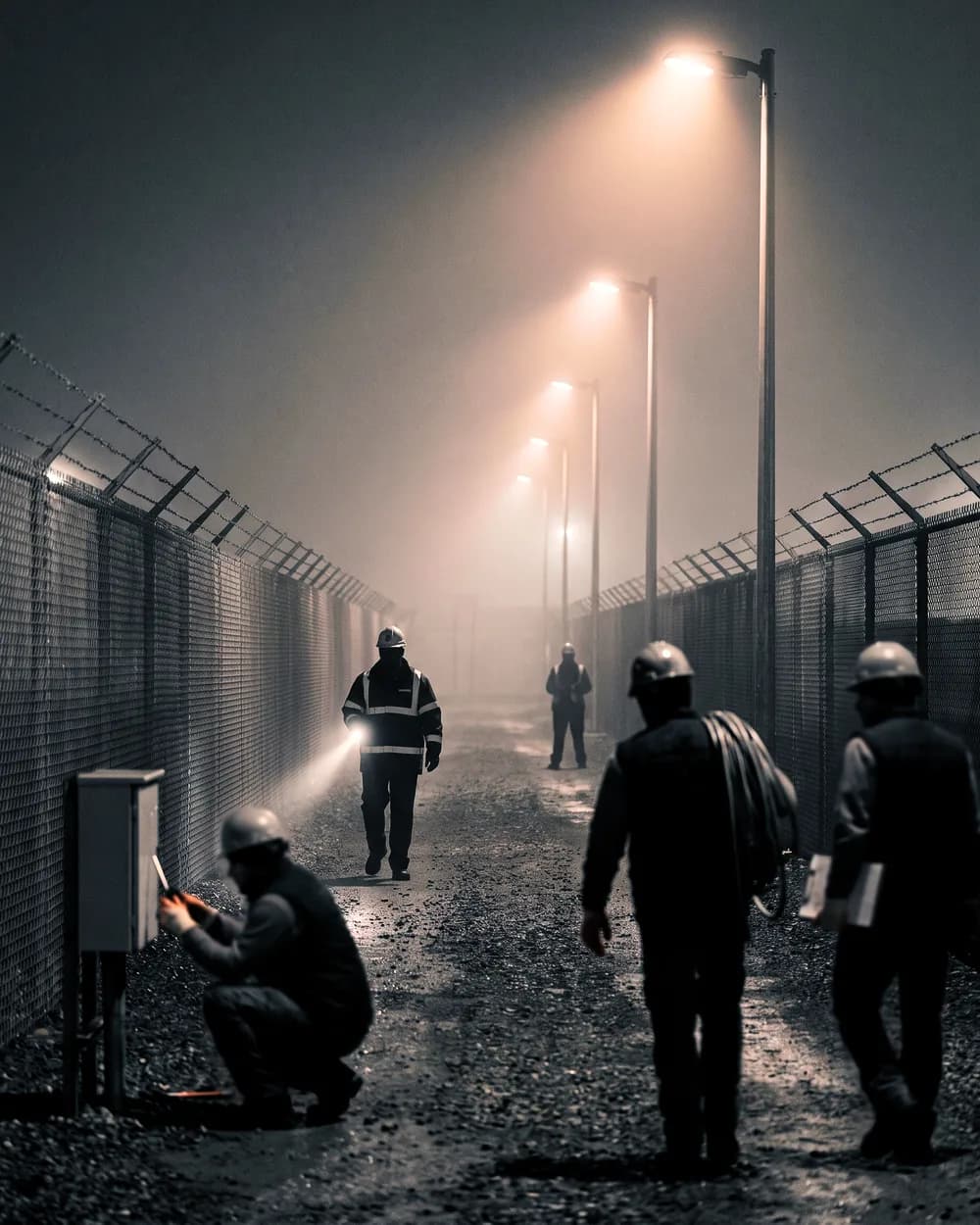
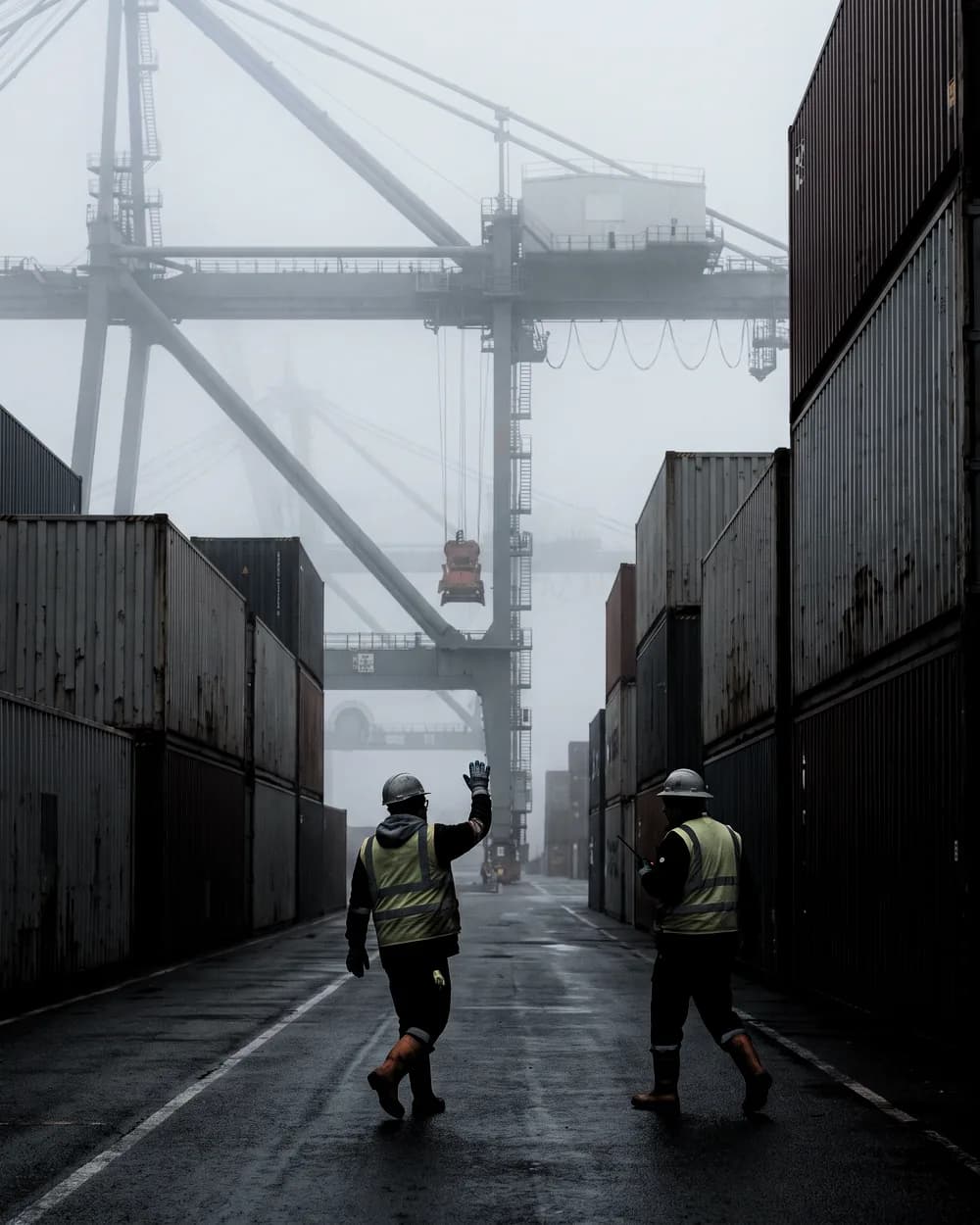
Scenario
Reading what is not there
The interesting region on a shelf is the empty one. A gap is segmented as a condition — a length of shelf in a state — rather than as an object that is missing, because the thing being detected is an absence and an absence has no silhouette.
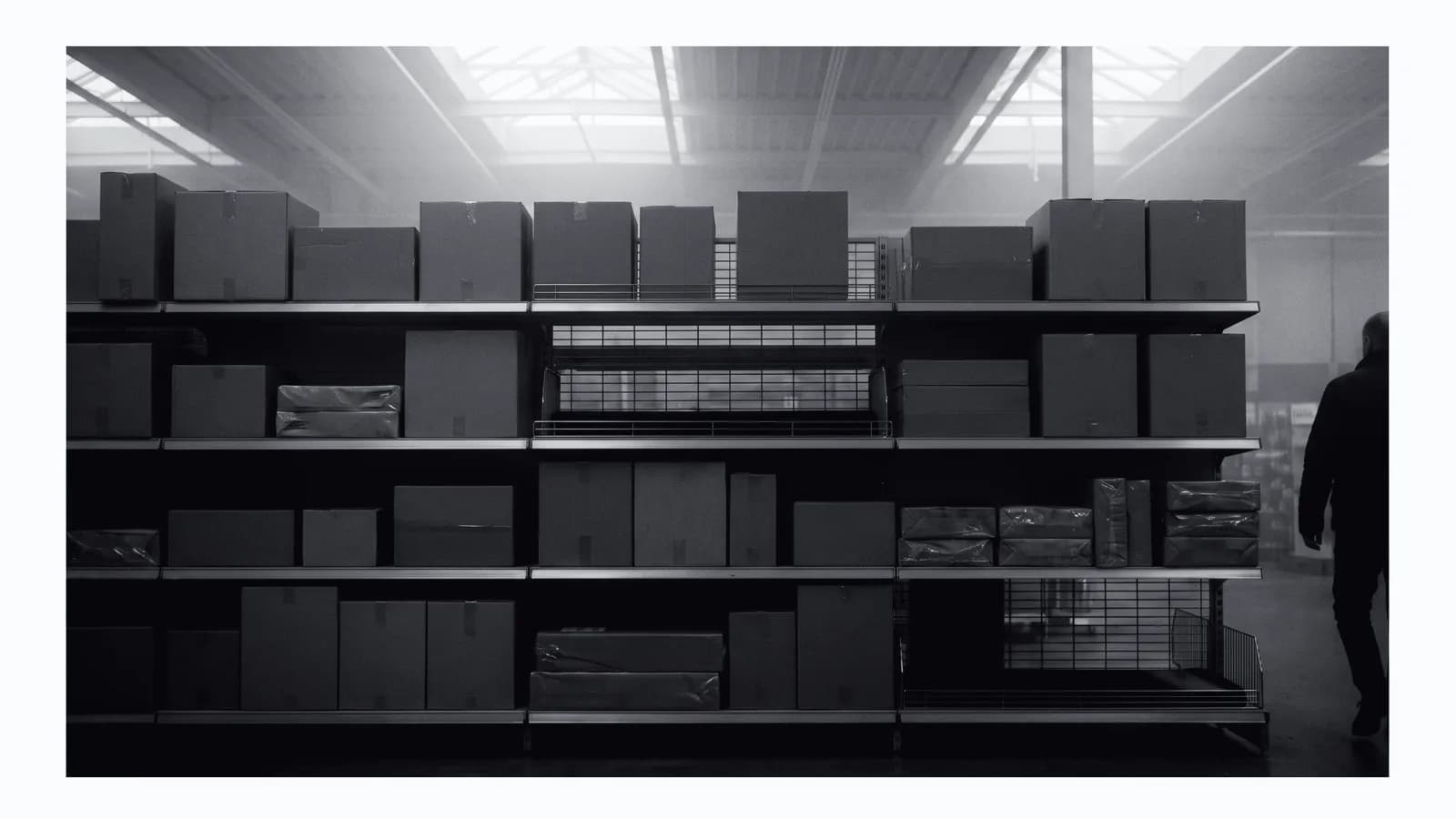
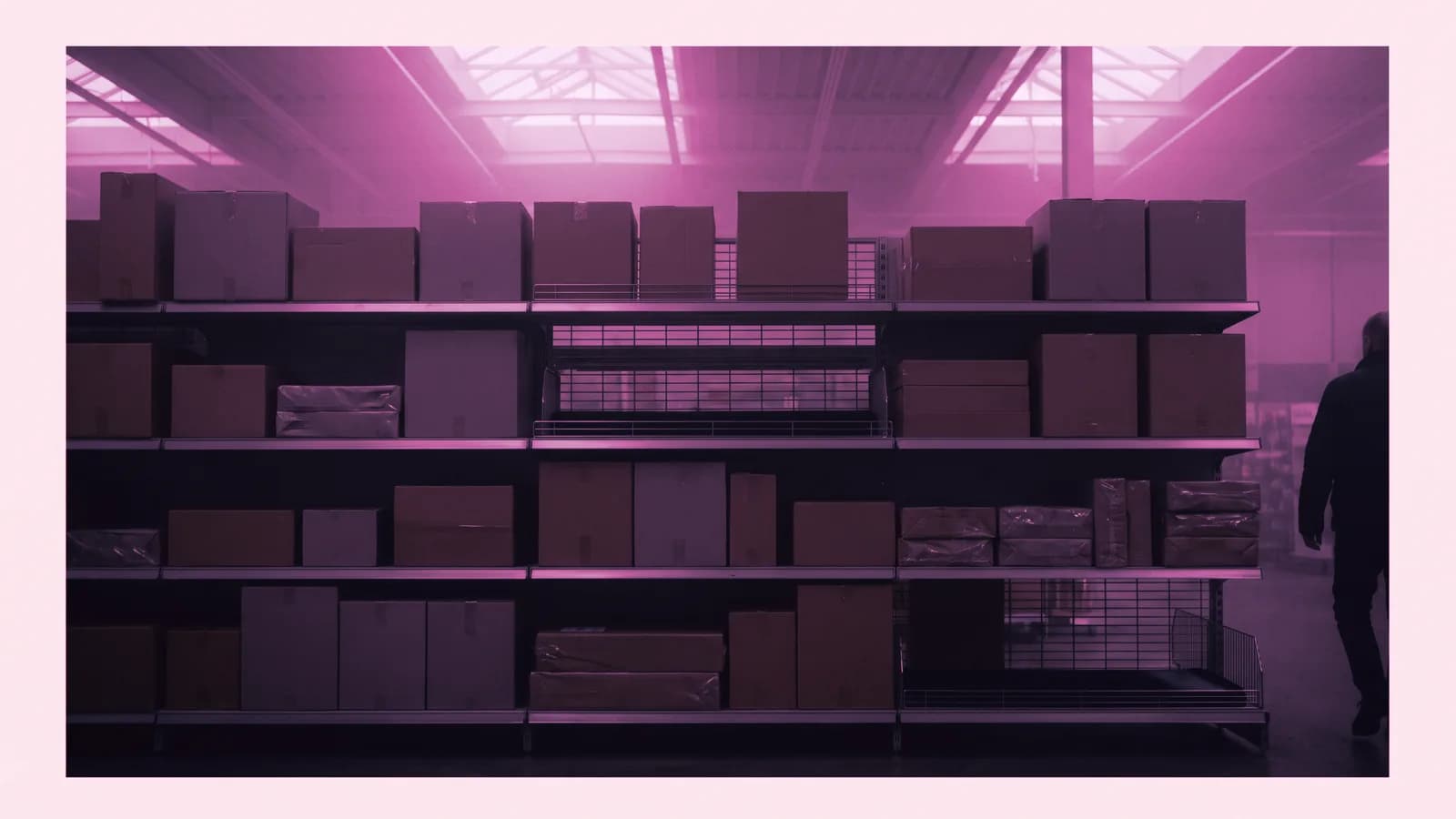
Illustrative analysis of this frame: Shelf gap, Product.
Detected regionsRegion, normalised frame coordinates
- 01Shelf gapScenarioX 0.62 Y 0.73 A 3.9% ∠ +4°
- 02Shelf gapScenarioX 0.52 Y 0.28 A 0.4% ∠ +88°
- 03ProductObjectX 0.09 Y 0.50
04 · Technology
Capability, shown as it is seen
What Arkania delivers in an operating environment, not how it is built. There is no architecture on this page, and that is deliberate.
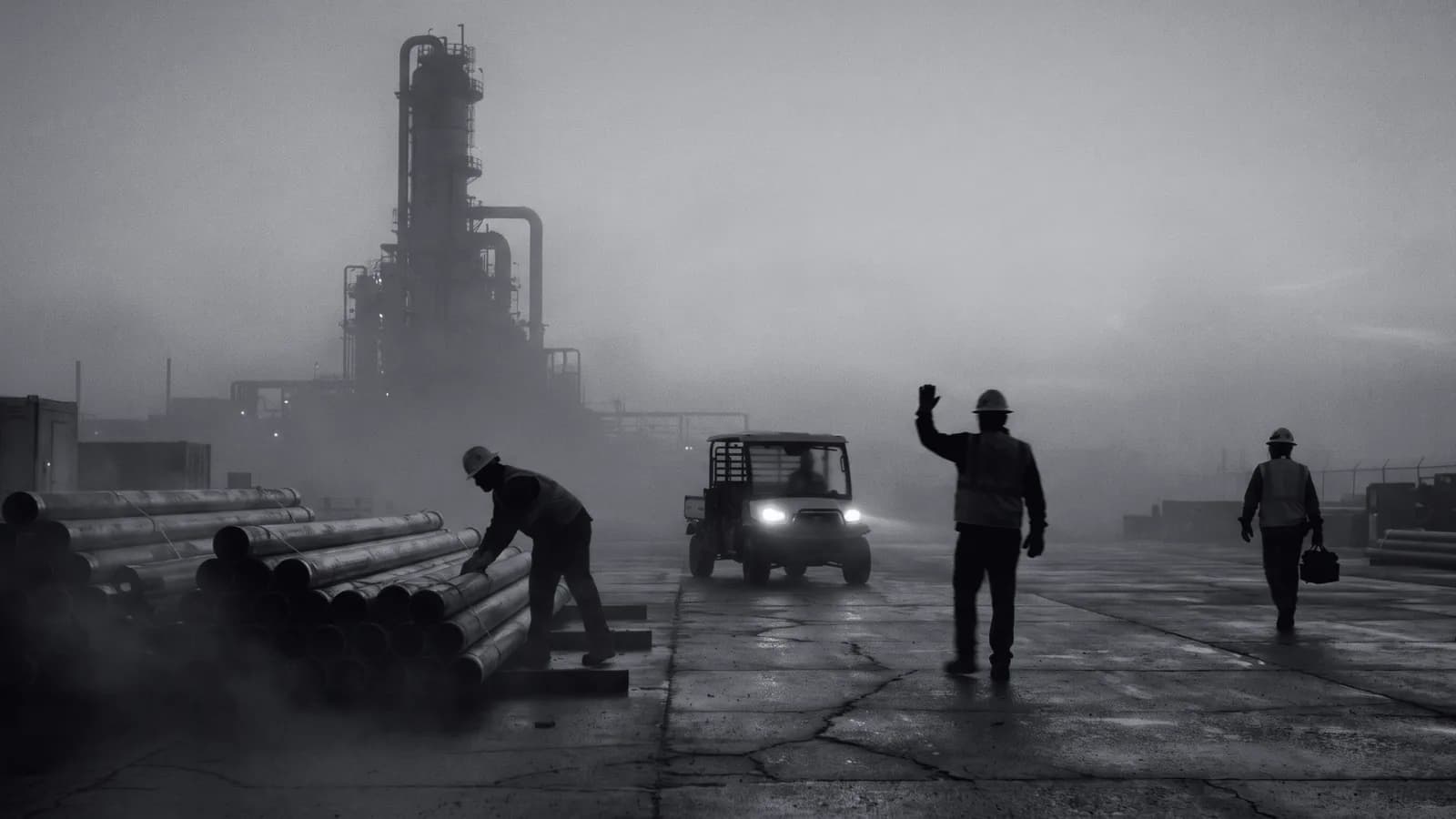
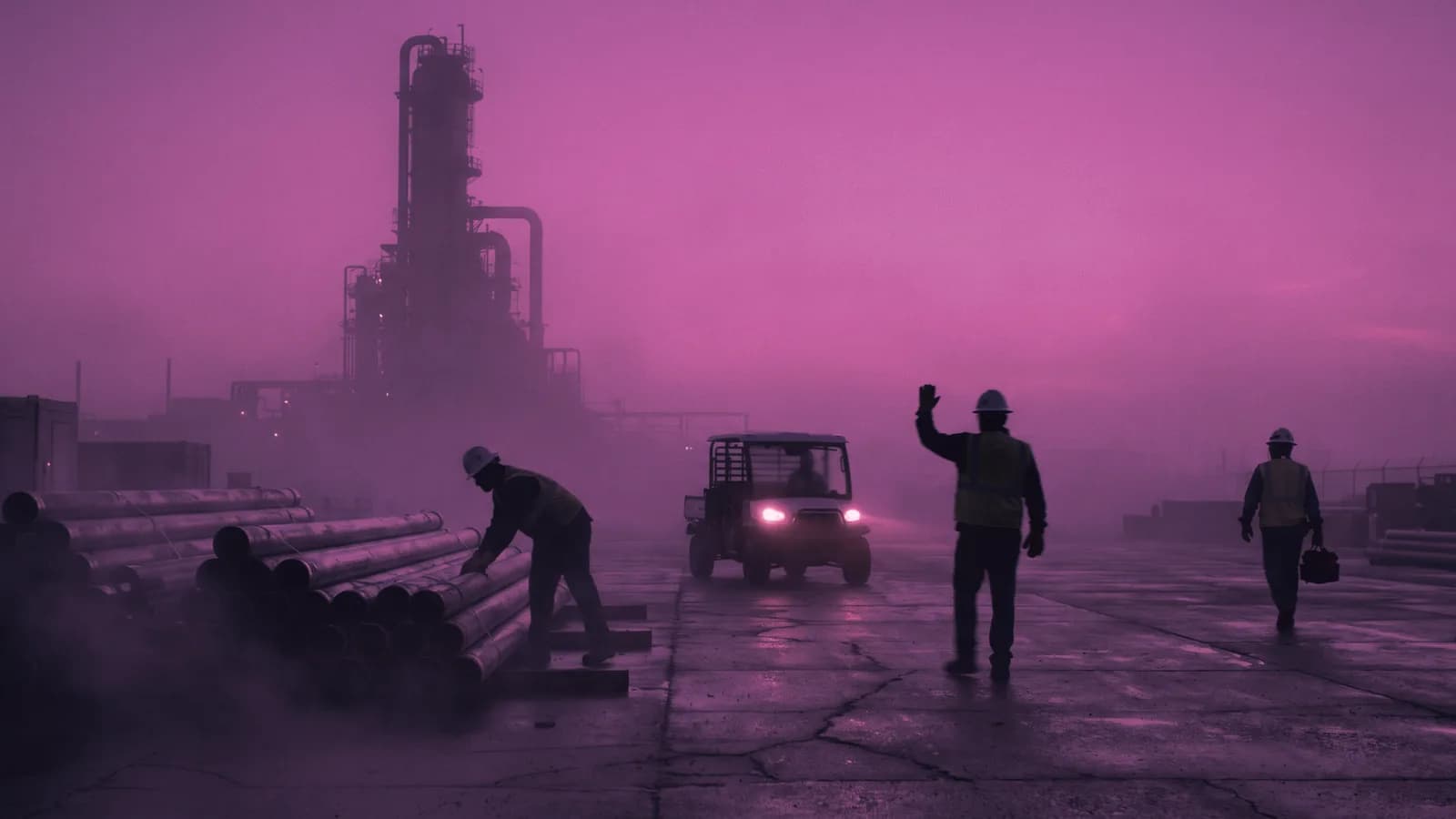
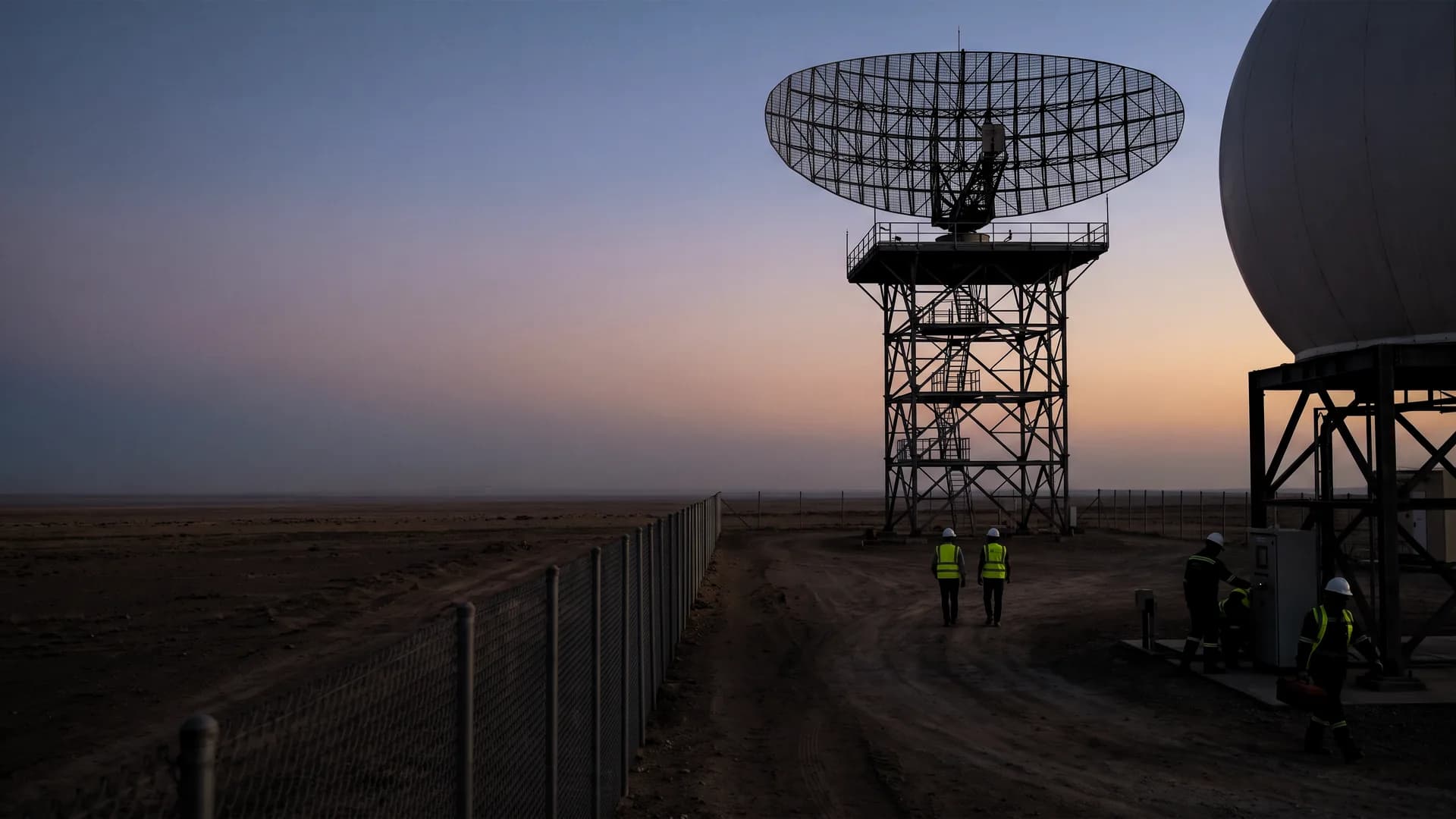
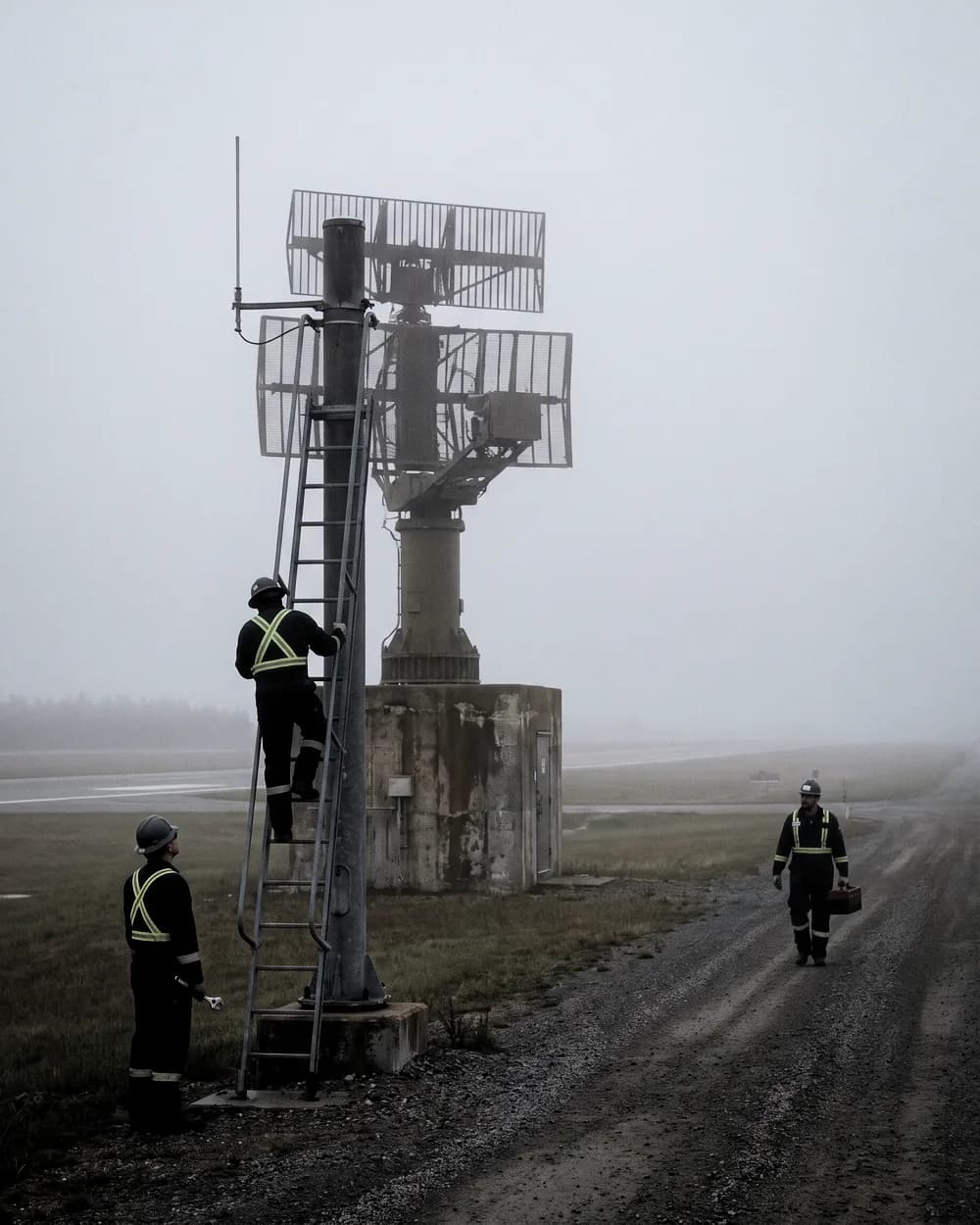
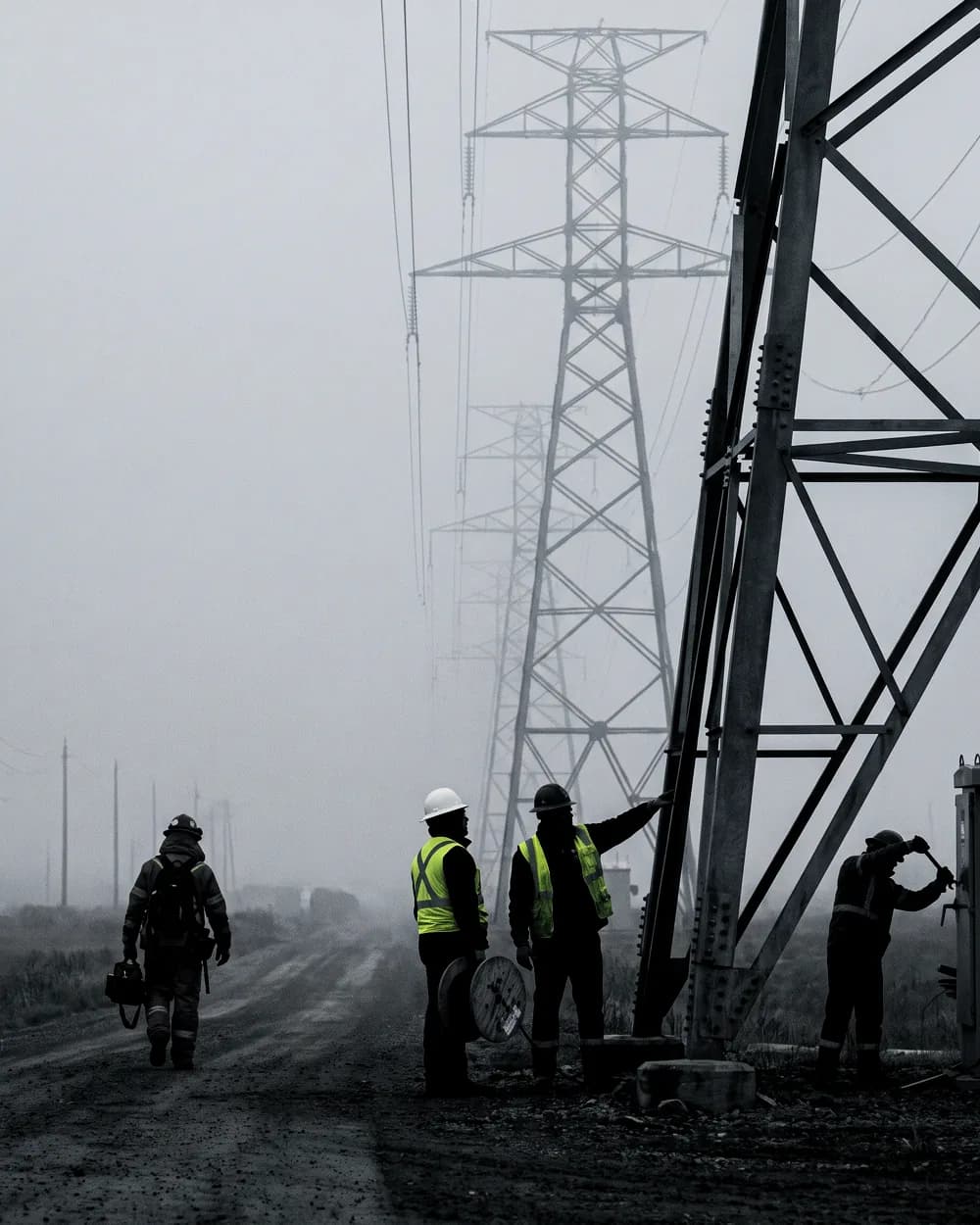
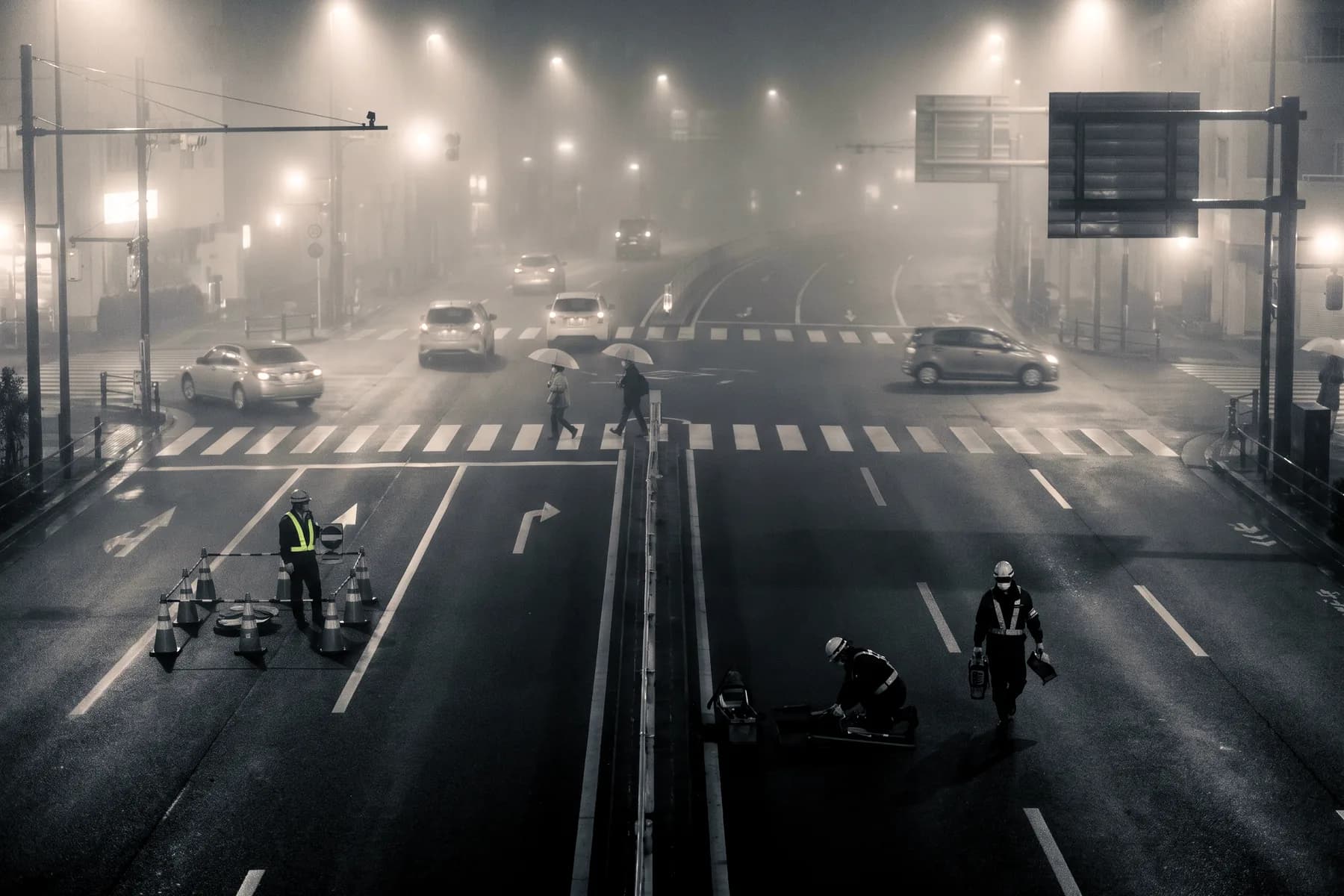
Illustrative analysis of this frame: Person, PPE / Helmet, Vehicle, Pipework.
Detected regionsRegion, normalised frame coordinates
- 01PersonObjectX 0.33 Y 0.55 A 0.7% ∠ −56°
- 02PersonObjectX 0.63 Y 0.47 A 1.7% ∠ −84°
- 03PPE / HelmetObjectX 0.32 Y 0.56
Deployment follows the constraint: on-premise · edge · private cloud
- 01
Industrial vision
Visual reading of assets, zones and movement across a site.
- 02
Pattern identification
Recognition of recurring conditions across long operating periods.
- 03
Continuous monitoring
Sustained observation of large environments without interruption.
- 04
Operational alerting
Conditions surfaced to the teams responsible for acting on them.
Scenario
The same view, a month apart
A single frame of a half-built structure says there is a building. The same frame measured against the last survey says how fast it is going up, which is the question a project actually asks. This is the one reading on the site that compares two moments, and it is marked illustrative because one photograph obviously holds only one of them.
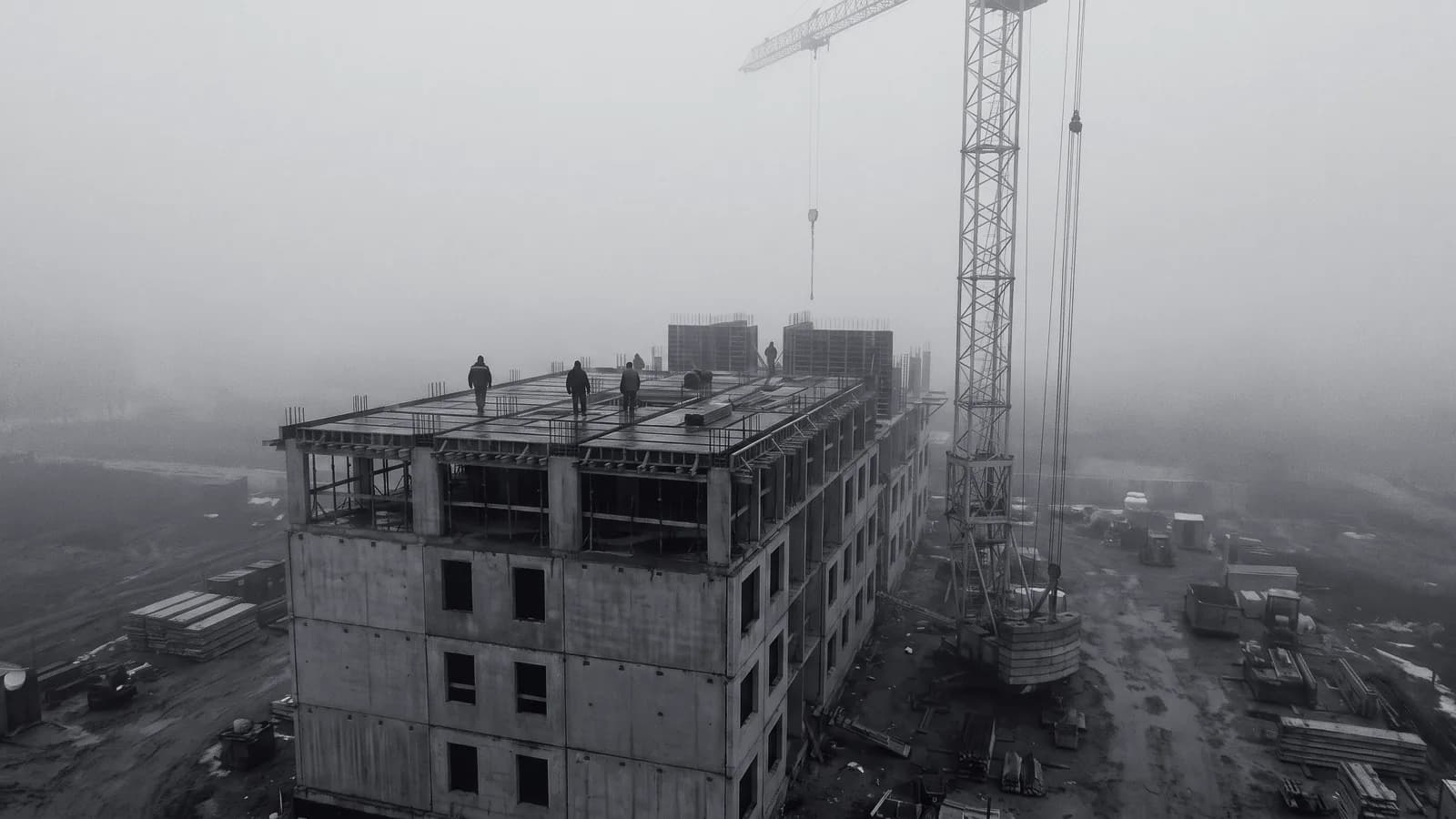
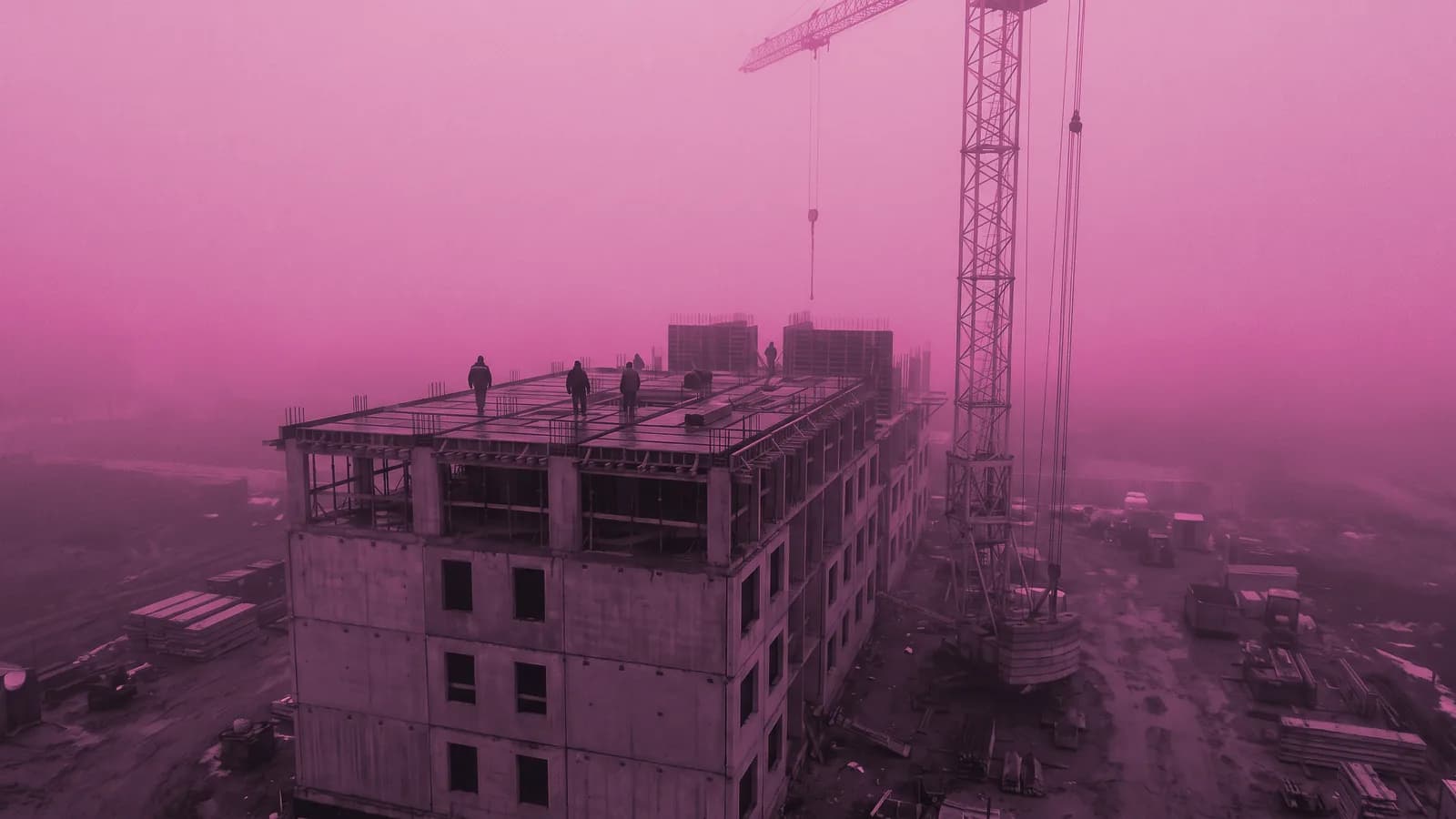
Illustrative analysis of this frame: Structure, Scaffolding, Crane.
Detected regionsRegion, normalised frame coordinates
- 01StructureObjectX 0.23 Y 0.52 A 17.7% ∠ +8°
- 02ScaffoldingObjectX 0.22 Y 0.44 A 3.3% ∠ +3°
- 03CraneObjectX 0.65 Y 0.01 A 3.4% ∠ −90°
Scale · Precision · Continuity
Industrial Grade Independent AI
Built for the environments that do not stop, where an outage is not an inconvenience and a system that only works in a demonstration does not work.
06 · Projects
Applications in the field
Four application areas, built for environments already in production. What is described is the operational problem and the capability brought to it, no client names, no figures.
07 · Why Arkania
How we work
Four positions that decide what gets built, and what does not.
- 01Operational environments first
- The work starts from how a site actually runs, which cameras exist, where they point, what an operator is expected to do with a finding, rather than from a generic model looking for a home.
- 02Designed around what exists
- Built to sit alongside the cameras, sensors and control infrastructure already in place, integrated through SCADA, OPC UA, MQTT and M2M rather than replacing any of it.
- 03Continuity as a requirement
- Environments that cannot stop set the conditions for everything delivered. Deployment follows the constraint, on-premise, at the edge, or in private cloud, rather than a product roadmap.
- 04Engineering-led, and independent
- Models designed, developed, trained and operated in-house, owned at code, architecture and lifecycle level. Decisions are made against operating conditions, not against demonstrations.
09 · Contact
Discuss a project with Arkania
Tell us about the environment, the scale and the operational conditions. Requests are reviewed by the team, not by a queue.
Industrial and enterprise enquiries · EN / ES
10 · Newsletter
Subscribe to our newsletter
Occasional notes on applied industrial AI, the same writing as the insights section, sent when there is something worth sending. No commercial noise.