

02 · Capabilities
Detection, and what follows it
Objects, the interactions between them, and the scenarios those interactions form, the structure that turns a detection into an operational finding.
Objects · interactions · scenarios
Three dimensions of perception
A detection on its own is a fact without context. Arkania structures intelligence across three conceptual layers, translating physical movement into actionable operational state.
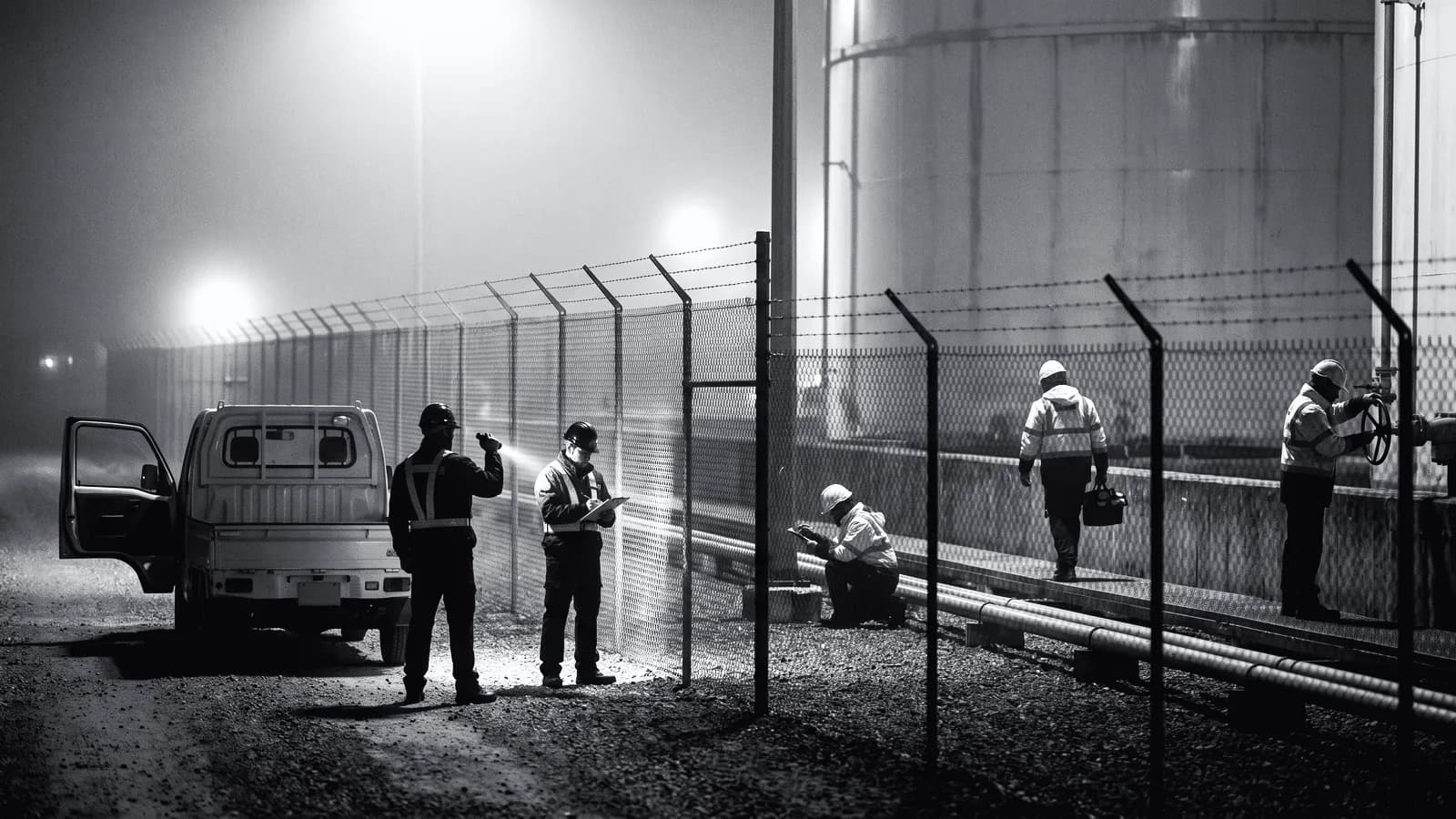
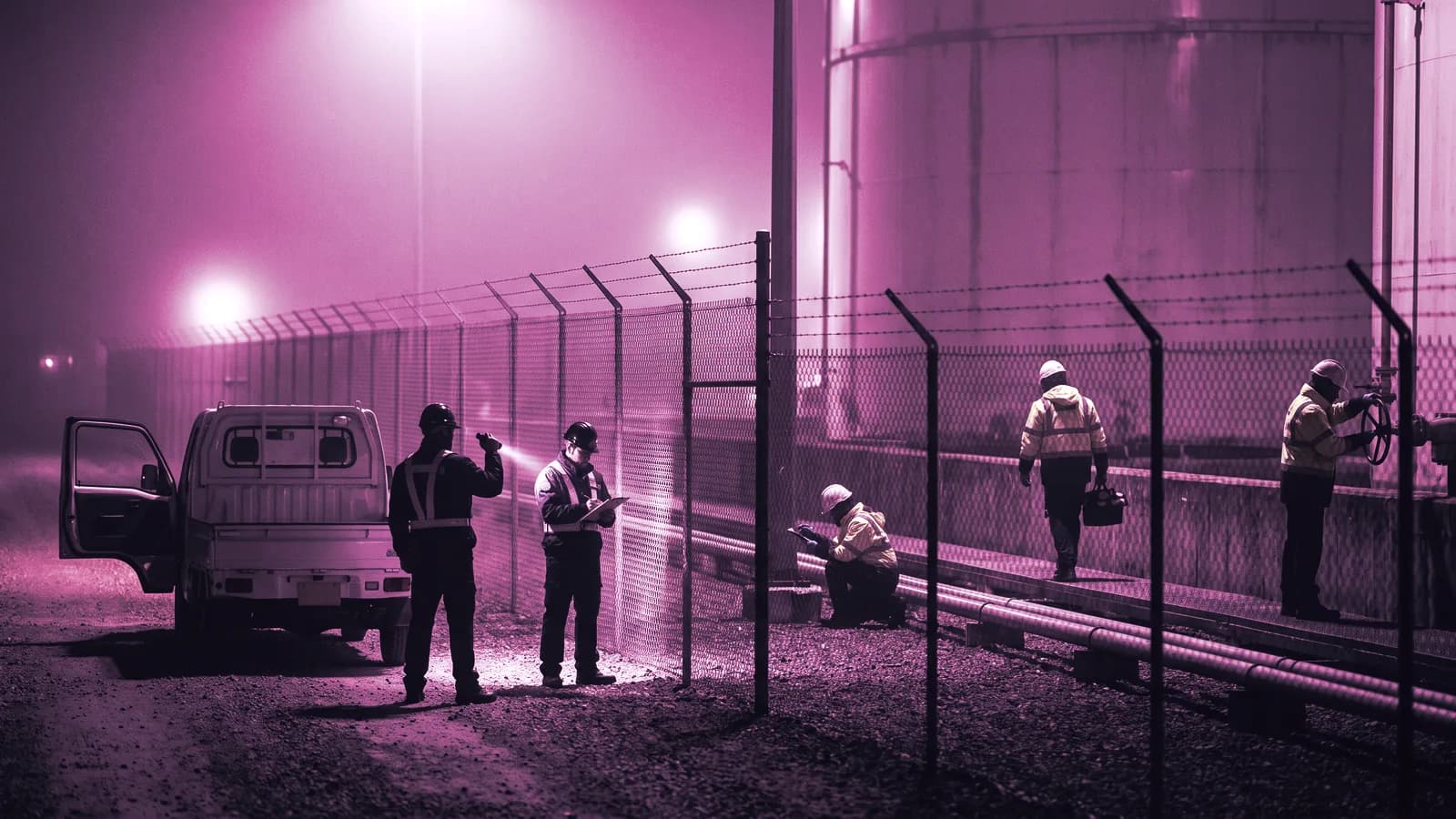
Illustrative analysis of this frame: Person, PPE / Helmet, Vehicle.
Object level
Object Detection
A physical entity that the system can identify, locate, and track. It establishes what is present, its coordinate position, and its trajectory or dwell time.
- Person / Operator
- Helmet / PPE
- Vehicle / Forklift
- Tool / Component
- Pallet / Cargo
- Machinery / Robot
- Drone / Embedded device
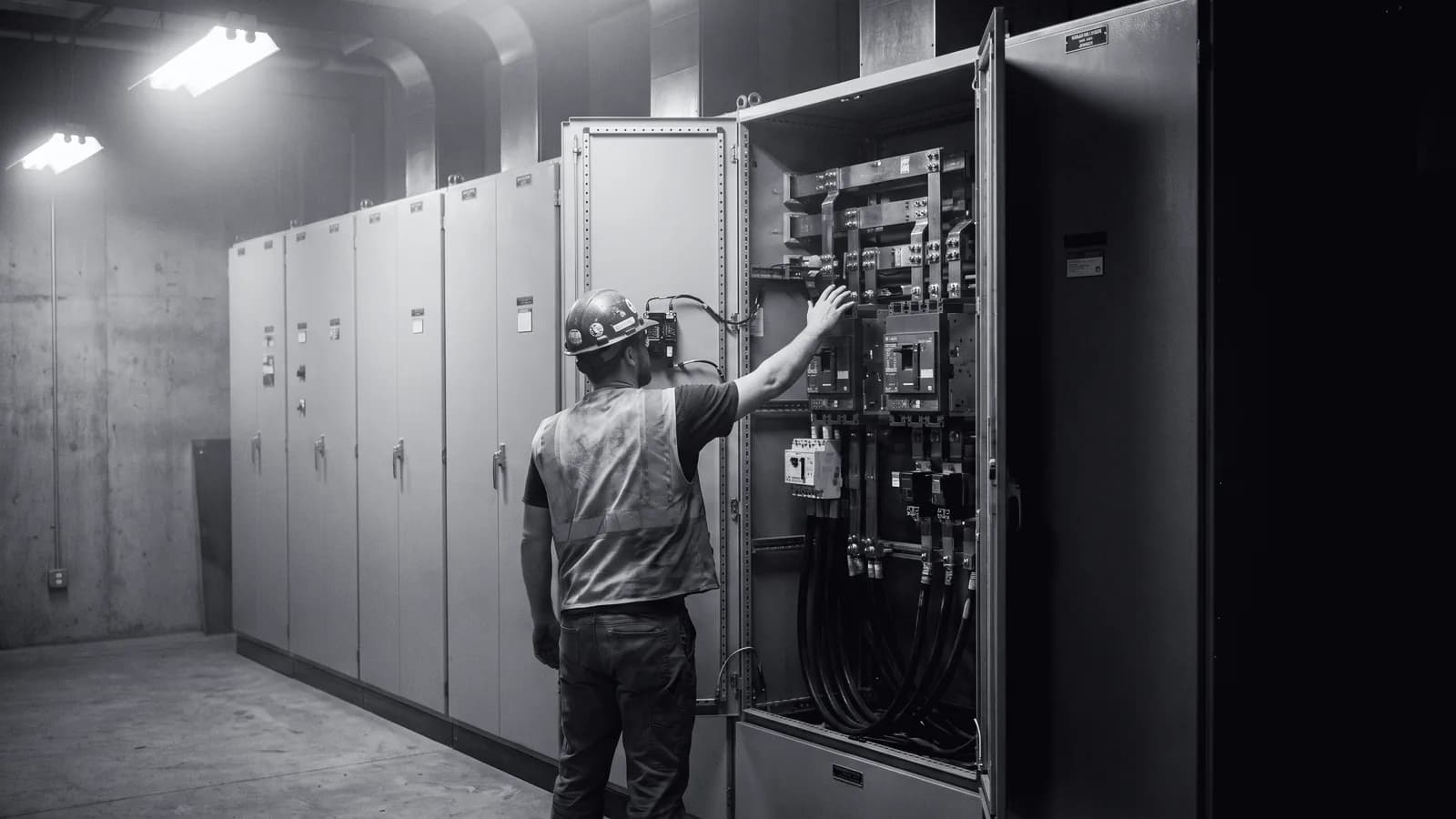
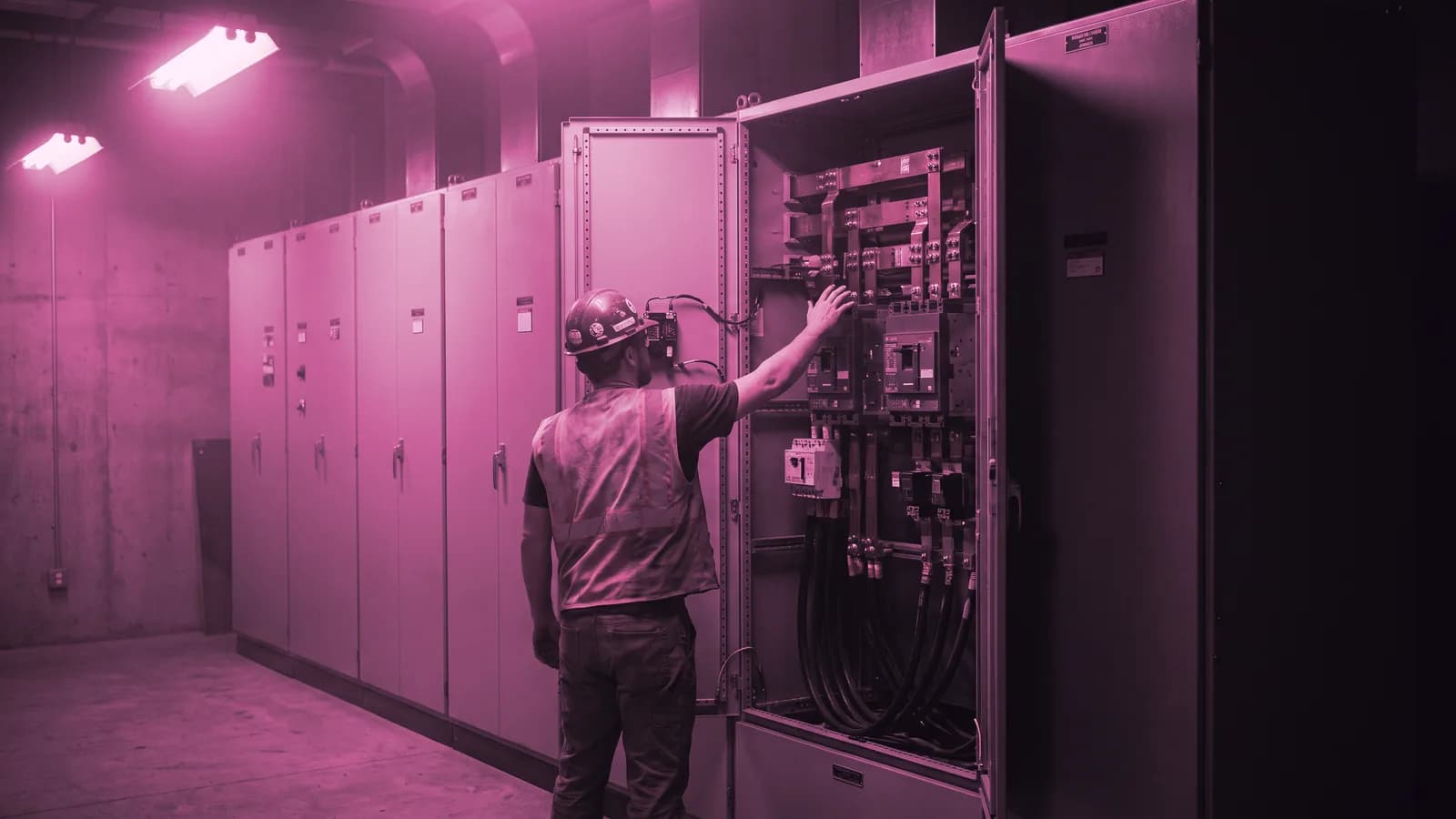
Illustrative analysis of this frame: Person, Panel.
Interaction level
Interaction Detection
An action or spatial relationship occurring between two or more detected entities, defining operational behaviors rather than static presence.
- Person operating a machine
- Worker entering a restricted zone
- Operator manipulating a component
- Vehicle approaching a pedestrian
- Human interacting with robotic machinery
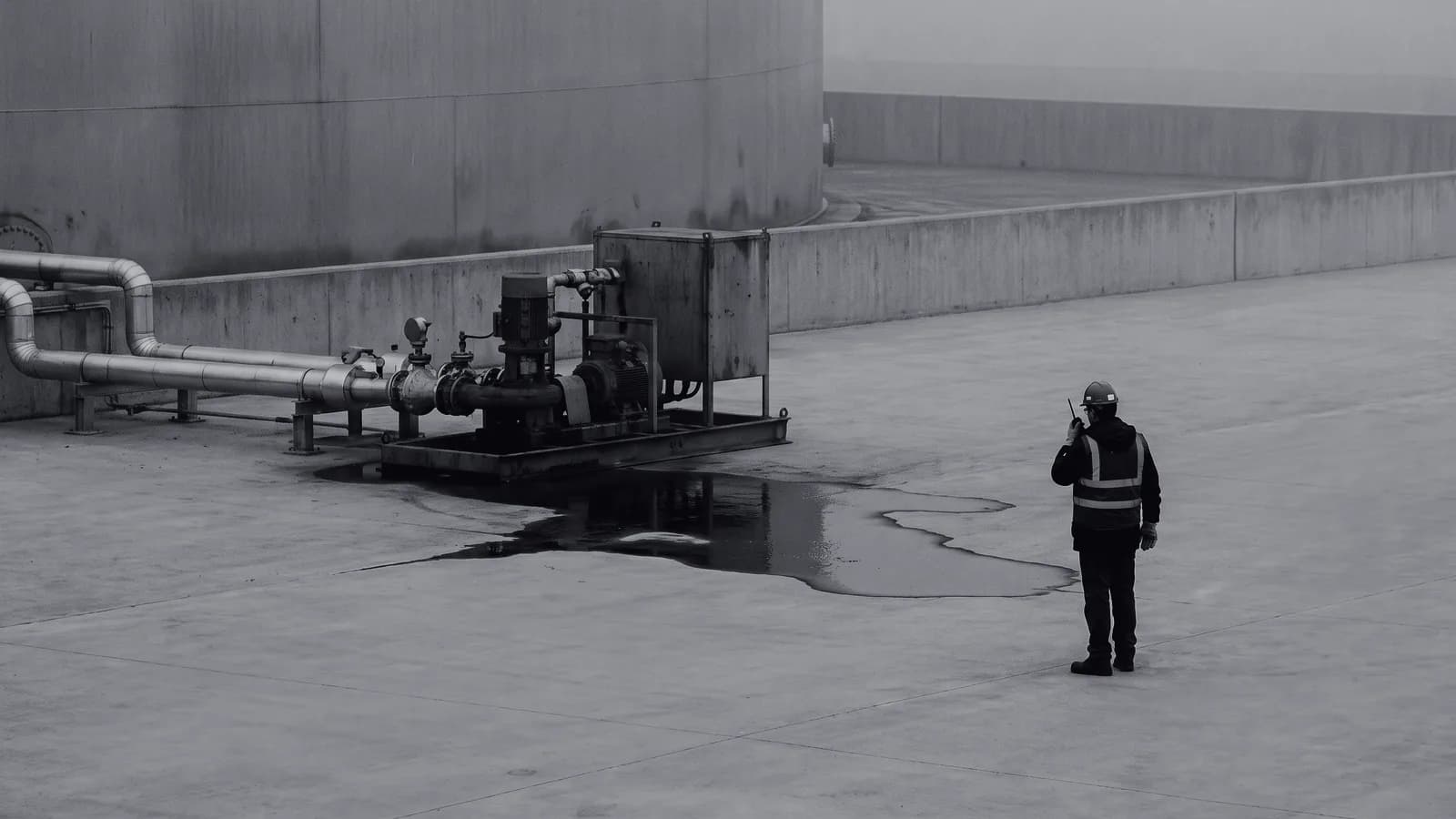
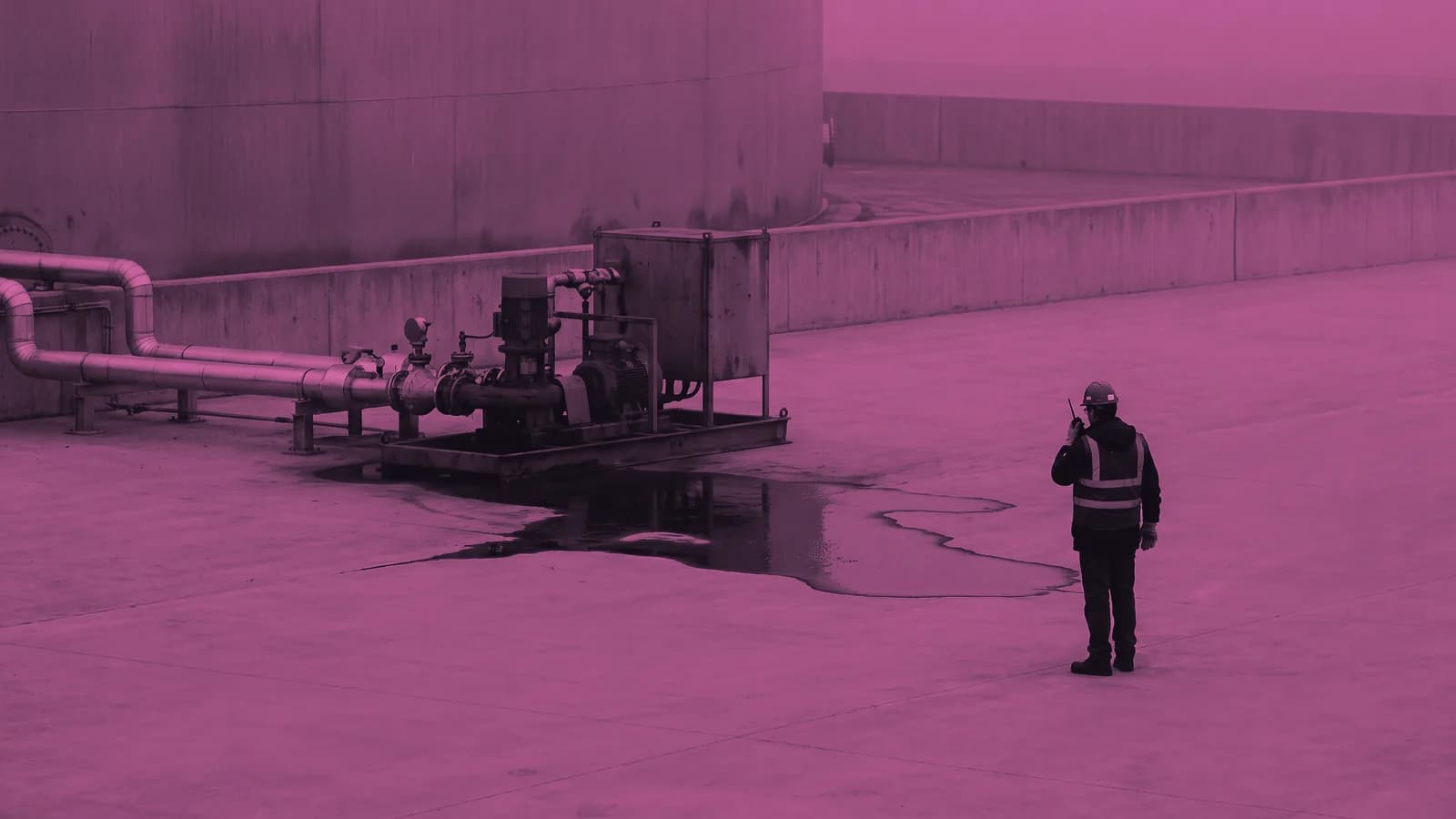
Illustrative analysis of this frame: Spill, Person.
Scenario level
Scenario Detection
The complete global situation and state of the scene as a whole, understanding the overall context and deviation from expected patterns.
- Unauthorised access or perimeter compromise
- Work area occupied during active cycle
- Anomalous accumulation of personnel
- Vehicle stationary in non-authorized zone
- Safety risk or production outside expected baseline
Detection in operational environments
Detection is structured across three dimensions, objects, the interactions between them, and the scenarios those interactions form. The third is where operational meaning appears.
Illustrative analysis of this frame: Person, PPE / Helmet, Tool, PPE / Vest, Vehicle.
Detected regionsRegion, normalised frame coordinates
- 01PersonObjectX 0.27 Y 0.50 A 1.5% ∠ +88°
- 02PPE / HelmetObjectX 0.28 Y 0.49
- 03ToolObjectX 0.32 Y 0.53
Perimeter and infrastructure monitoring
Continuous visual reading of perimeters, access points and fixed assets across sites too large for an operator to watch, from the camera estate already installed.
Objects · zones · perimeter integrity
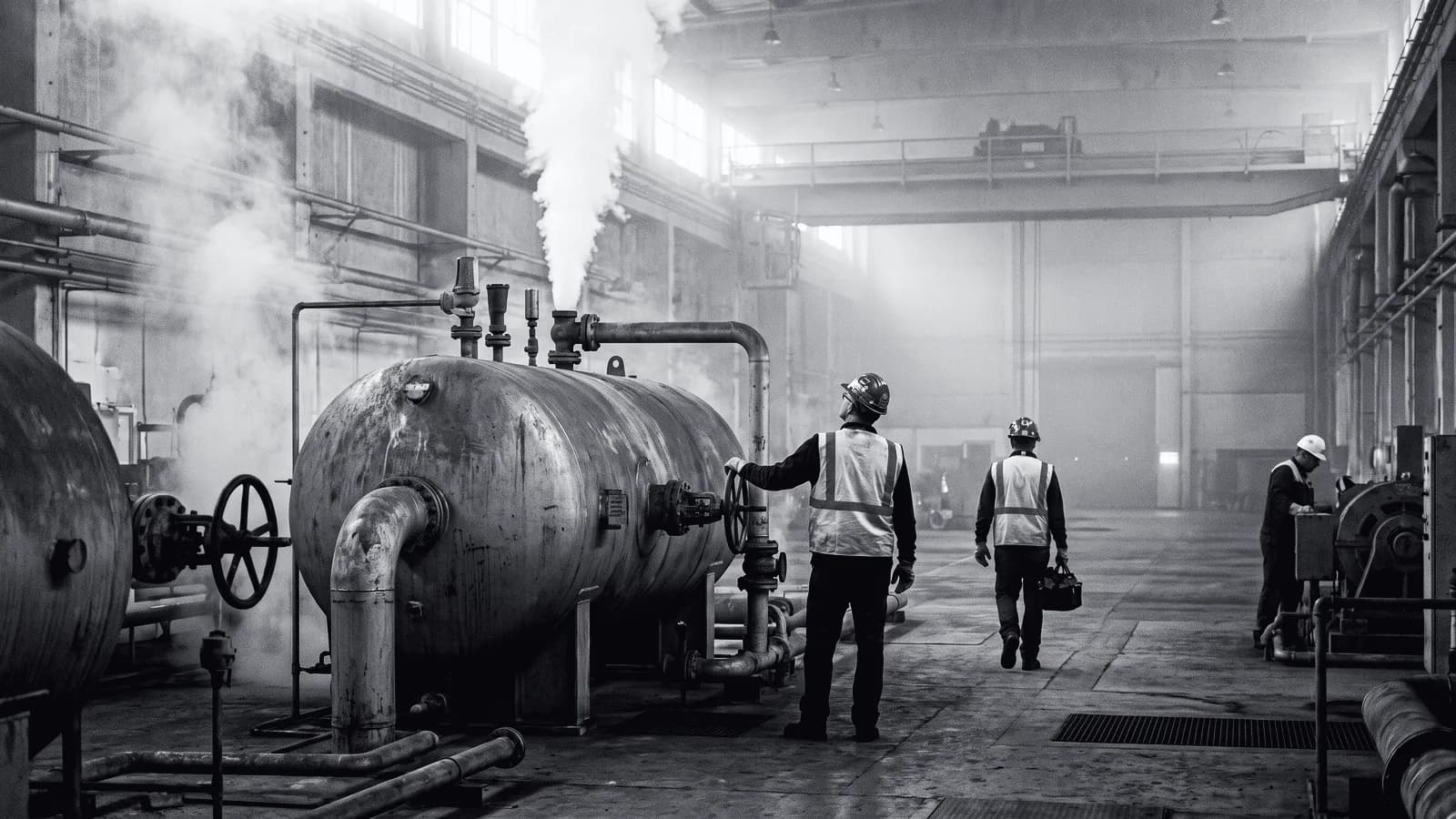
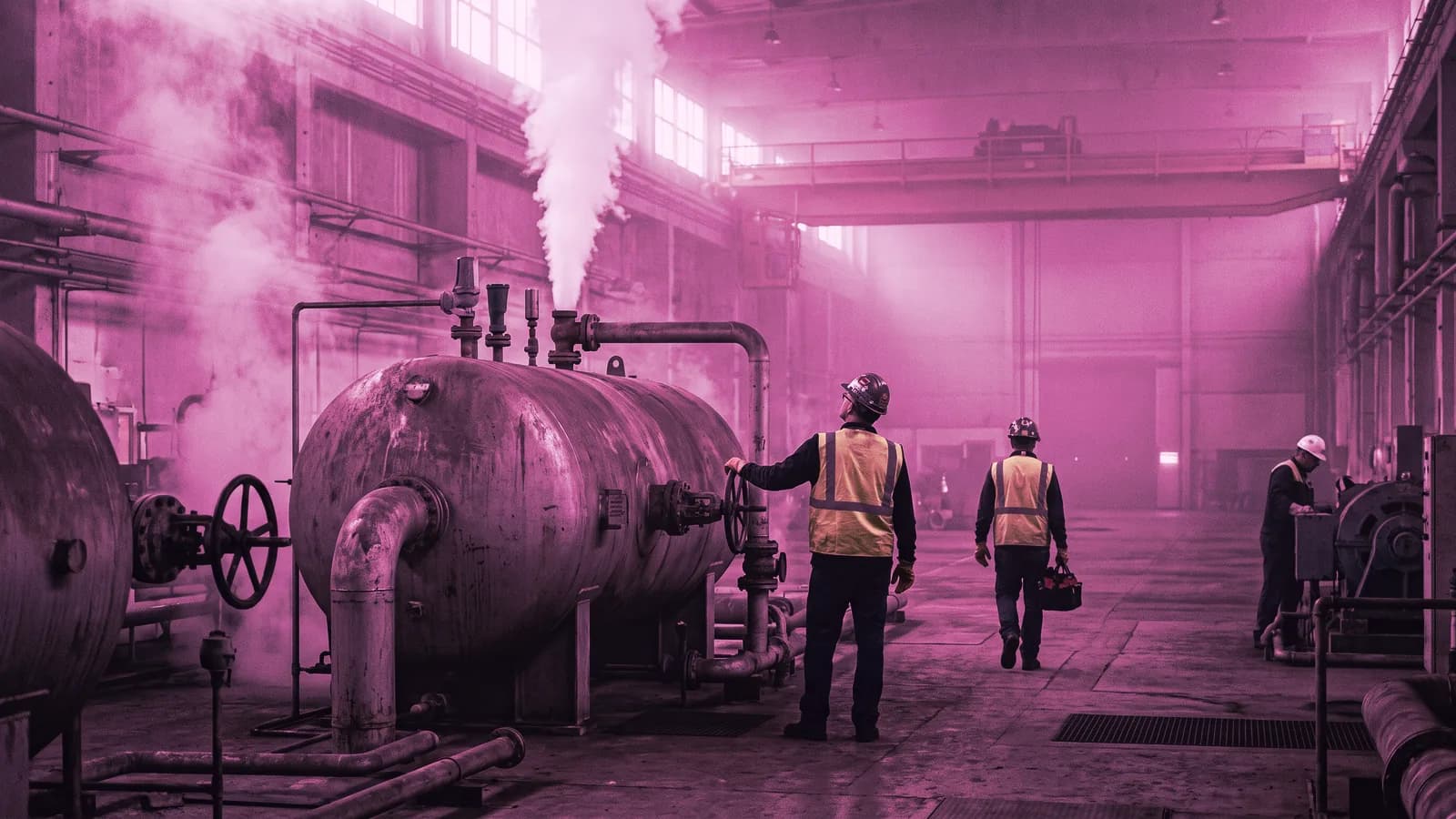
Illustrative analysis of this frame: Person, PPE / Helmet, PPE / Vest, Plume, PPE / Gloves, PPE / Eyewear, Valve.
Detected regionsRegion, normalised frame coordinates
- 01PersonObjectX 0.50 Y 0.46 A 2.7% ∠ −88°
- 02PPE / HelmetObjectX 0.57 Y 0.46
- 03PPE / VestObjectX 0.55 Y 0.52 A 1.3%
Anomaly identification
Deviation measured against an area's own established operating condition rather than against a generic rule written for a different site.
Scenarios · deviation from local baseline
What is detected
The taxonomy below is the vocabulary the annotation layer uses across this site. What matters on a given site is defined with that site; the structure does not change.
Objects
- Person
- Vehicle
- Machinery
- Infrastructure
- Asset
- Animal
Interactions and zones
- Interaction
- Zone
- Perimeter
Scenarios
- Anomalous behaviour
- Risk pattern
- Operational sequence
Detection as a chain, not a guess
Many industrial questions are not one detection but several, scoped by each other. Verifying personal protective equipment is the clearest case: the question is not whether a helmet appears in frame but whether this person is wearing one, which resolves as person, then head, then helmet. Structuring it that way is what makes the result auditable, each link can be checked, and a failure is locatable rather than an opaque disagreement with a single confident answer.
Measurement as well as presence
Some questions need an extent rather than a yes. Whether a fluid is present is weaker than how far it has propagated; whether spray is occurring is weaker than how much and where. Both have been delivered in oil and gas operations, the spray case after several other vendors had attempted it.
Where it runs
Deployment follows the constraint, not a product roadmap. Any one of connectivity, regulation or continuity can decide the answer on its own.
- 01On-premise
- Inference inside the client's own infrastructure, where operational imagery may not leave it.
- 02Edge
- On cameras, drones and embedded devices, what makes a remote or thinly connected site readable at all.
- 03Private and hybrid cloud
- Where the estate suits it and the governing constraints permit it.
How it connects
Integration with systems already in operation is a design requirement rather than an add-on: SCADA, OPC UA, MQTT and M2M. The intent is that visual findings arrive in the control environment operators already work in, rather than forming a second one that someone would have to be watching.
- SCADA
- OPC UA
- MQTT
- M2M
What this page does not describe
There is no architecture on this page, and that is deliberate rather than an omission. What Arkania delivers in an operating environment is a capability; how it is built is not a public document. Nothing here should be read as a component diagram, a pipeline or a deployment topology.
Related environments
Related topics
Discuss a project with Arkania
Tell us about the environment, the scale and the operational conditions. Requests are reviewed by the team, not by a queue.
Industrial and enterprise enquiries · EN / ES